Career Counselling
Rising your child To Be A Champion is Easy When You know their strengths and weaknesses.   Discover inborn uniqueness through globally recognized science of DMIT with your FINGERPRINTS.

Welcome To

Career Counselling Navi Mumbai

Welcome to AMP Counselling Services, your go-to destination for comprehensive career counselling and career guidance in Navi Mumbai. We understand that choosing the right career path can be a daunting task, which is why we offer expert career counselling services to help you navigate the complex world of work.

Whether you're a student just starting out on your career journey or a seasoned professional looking to make a career change, our team of experienced career counsellors is here to guide you every step of the way. We provide personalized career guidance to help you identify your strengths, explore different career options, and develop a plan to achieve your career goals.

Our career counselling services are designed to cater to a wide range of needs, including free career counselling for students. We believe that everyone deserves the opportunity to pursue their dream career, regardless of their background or financial status. So if you're looking for reliable career counselling services in Navi Mumbai, look no further than AMP Counselling Services. Contact us today to schedule an appointment and take the first step towards a fulfilling and successful career.

Why AMP Counselling?

The AMP COUNSELLING CENTRE has its base in core research which enables it to come up with scientifically proven services and effective outcomes. 

read more
Counselling Services

Our Services are highly customized to meet the specific needs of individuals, and they never follow a template approach..

read more
AMP Counsellor's

A team of senior dedicated counsellor's are exclusively assigned for working on DMIT, which enhances the efficiency of the service.

read more
DMIT Test Benefits

DMIT’s base is in neuroscience and genetics, to estimate the brain power and the in-built abilities, DMIT Test is the most effective way.

read more

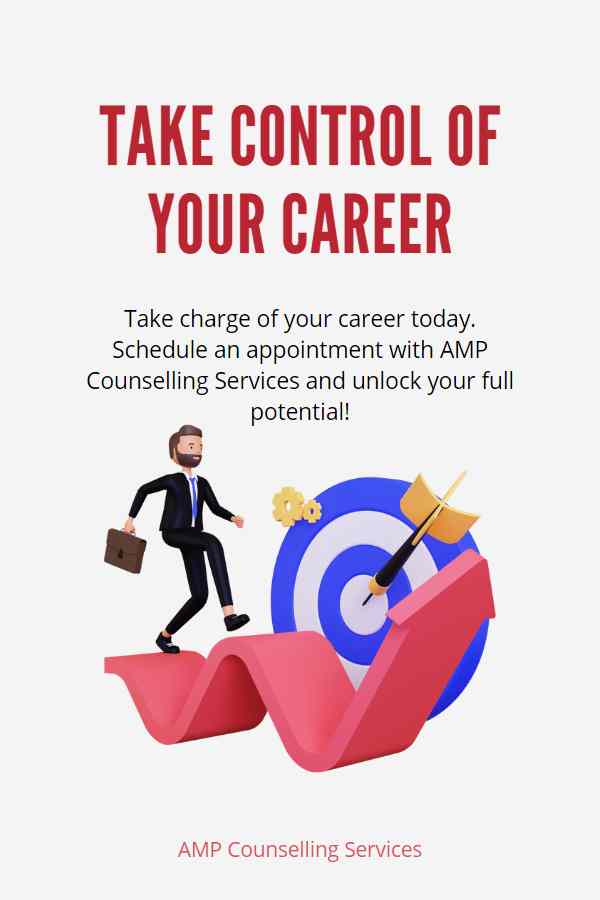
Take charge of your career today. Schedule an appointment with AMP Counselling Services and unlock your full potential!

Contact Now
Call Now

Why Career Counselling is Important?

Unlock Your Potential with Expert Career Counselling and Guidance
Career Counselling Services

Choosing The Right Career Path Is A Crucial Decision That Can Significantly Impact Your Overall Job Satisfaction, Financial Security, And Sense Of Fulfillment. That's Why At AMP Counselling Services, Located In Navi Mumbai, We Believe That Career Counselling And Guidance Is Essential. Our Experienced Team Of Career Counsellors Is Dedicated To Helping You Identify Your Strengths, Explore Various Career Options, And Develop A Plan To Achieve Your Career Goals.

We Offer A Range Of Services That Include Career Counselling, Career Guidance, And Free Career Counselling For Students. Our Student Counselling Services Are Designed To Assist Young People In Making Informed Decisions About Their Future And Set Them On The Path To Success. We Believe That All Students, Regardless Of Their Financial Situation, Should Have Access To High-Quality Career Guidance.

Our Career Counselling Services Are Also Beneficial For Professionals Who Are Considering A Career Change Or Looking To Advance In Their Current Field. Our Counsellors Can Help You Identify Your Transferable Skills, Explore Different Career Options, And Develop A Plan To Achieve Your Career Goals. So If You're In Navi Mumbai And Seeking Reliable Career Counselling And Guidance, Look No Further Than AMP Counselling Services. Contact Us Today To Schedule An Appointment And Take The First Step Towards A Fulfilling And Successful Career.

Ready to achieve your career goals? Contact us now and let our expert career counsellors guide you to success!
- AMP Counselling Services
Contact Now
Call Now

Our Career Counselling Services

AMP Counselling Services
Psychometric Test

Are you looking for a reliable and accurate psychometric test in Vashi, Navi Mumbai? Look no further! AMP Counselling Center offers comprehensive psychometric assessments that can provide valuable insights into your personality, abilities, and interests.

Positive Parenting Explorer PPE
Parenting Coach Navi Mumbai

At Positive Parenting Explorer, we believe that parental support and guidance play a crucial role in shaping a child's future. That's why we offer career counselling services for students to help them explore different career options and make informed decisions about their future.

Benefits of DMIT Test
DMIT Test

Are you looking for a scientific approach to career counselling? Consider taking a DMIT Test at our counselling center! Our DMIT test can help you identify your innate strengths, talents, and learning style, and provide guidance on the best career path to pursue. 

Don't let indecision hold you back. Schedule a career counselling session now and take control of your future!
See All Career Counselling Services

Contact Now
Call Now

FAQ

What is Career Counselling and why is it important?

Career Counselling is a process that helps individuals make informed decisions about their career paths. It is important because it provides guidance and support in identifying suitable career options based on one's interests, skills, and goals.

Who can benefit from Career Counselling services at AMP Counselling Center in Vashi, Navi Mumbai?

Career Counselling services at AMP Counselling Center are beneficial for students, job seekers, professionals looking for a career change, and individuals seeking guidance in their career development.

Why should I choose AMP Counselling Center for Career Counselling?

AMP Counselling Center has experienced career counsellors who provide personalized guidance, comprehensive assessments, and practical insights to help individuals make well-informed career decisions. The center is known for its professionalism, expertise, and commitment to client success.

Where can I find reliable Career Counselling services in Vashi, Navi Mumbai?

AMP Counselling Center, located in Vashi, Navi Mumbai, offers reliable and professional Career Counselling services. The center has a team of qualified counsellors who specialize in career guidance and provide tailored support to individuals.

What are the benefits of Career Counselling?

Career Counselling offers several benefits, including gaining clarity about career goals, identifying strengths and weaknesses, exploring suitable career options, making informed decisions, enhancing self-awareness, and maximizing career satisfaction and success.

How does Career Counselling work at AMP Counselling Center?

Career Counselling at AMP Counselling Center involves a structured process that includes assessments, one-on-one sessions with a career counsellor, exploration of interests and skills, goal setting, and guidance in creating a career action plan. The counsellor provides support and resources to help individuals achieve their career aspirations.

What is the cost of Career Counselling at AMP Counselling Center?

The cost of Career Counselling at AMP Counselling Center may vary depending on the specific services required. It is best to contact the center directly to inquire about the pricing details.

For whom is Career Counselling suitable?

Career Counselling is suitable for individuals at various stages of their career journey, including students planning their educational path, graduates seeking job opportunities, professionals considering a career change, and individuals seeking guidance in career development and growth.

How can Career Counselling help in finding the best career fit?

Career Counselling utilizes assessments, exploration of interests and skills, and personalized guidance to help individuals find the best career fit. It assists in identifying career options that align with their strengths, interests, and values, leading to greater job satisfaction and fulfillment.

What makes AMP Counselling Center the best choice for Career Counselling in Vashi, Navi Mumbai?

AMP Counselling Center stands out as the best choice for Career Counselling due to its experienced team of career counsellors, client-centered approach,comprehensive assessments, personalized guidance, and reputation for delivering successful outcomes. The center's location in Vashi, Navi Mumbai provides convenient access to individuals seeking professional Career Counselling services.


Blog - Latest Post
February 5, 2026Success in any area of life — career, business, education, or personal growth — does not happen by chance. It requires clarity, direction, and the right mindset. Strategic planning is the process of setting clear goals and creating a structured roadmap to achieve them. At AMP Counselling Center, we believe that effective strategic planning becomes even more powerful when combined with positive thinking habits. A clear plan guides your actions, while a positive mindset keeps you motivated and resilient throughout the journey. 🌟 What Is Strategic Planning? Strategic planning is more than just making a to-do list. It is a thoughtful and structured way of deciding where you want to go in life and how you will get there. Instead of moving forward randomly, you create a clear roadmap that guides your actions and decisions. It involves: Defining long-term goals: Understanding what you truly want to achieve in the future — whether it is career success, personal growth, or business expansion. Identifying available resources: Looking at the skills, time, finances, and support systems you already have. Analyzing challenges and opportunities: Recognizing possible obstacles while also identifying areas where growth is possible. Creating actionable steps: Breaking big goals into smaller, practical tasks that can be achieved step by step. Reviewing and adjusting progress regularly: Monitoring your journey and making changes when necessary. Strategic planning brings clarity. It removes confusion and gives both individuals and organizations a sense of direction and purpose. 🌿 Why Strategic Planning Is Important 1️⃣ Provides Clear Direction When you don’t have a plan, it’s easy to feel lost or distracted. Strategic planning helps you clearly understand where you currently stand and where you want to go. This clarity makes your efforts more focused and meaningful. 2️⃣ Improves Decision-Making Clear goals act like a filter. When opportunities or challenges arise, you can ask yourself, “Does this align with my long-term goal?” This makes decision-making faster, easier, and more confident. 3️⃣ Increases Confidence Uncertainty often creates stress. When you have a structured plan, you feel more prepared and in control. Knowing your next step reduces anxiety and builds self-confidence. 4️⃣ Encourages Positive Thinking Habits Strategic planning naturally promotes solution-oriented thinking. Instead of worrying about problems, you start looking for practical solutions. This approach strengthens positive thinking habits and reduces negativity. 🧠 The Role of Positive Thinking Habits in Strategic Planning Having a strategy is important, but your mindset determines how successfully you follow it. Positive thinking habits give you the emotional strength to stay committed to your plan. Helps overcome setbacks: Challenges are inevitable. With positive thinking habits, you view setbacks as lessons rather than failures. Builds resilience: When plans need changes, optimism keeps you motivated instead of discouraged. Improves focus: A positive mindset reduces self-doubt and distractions, helping you stay committed to your goals. Encourages creativity: When your mind is open and optimistic, you are more likely to find innovative solutions. At AMP Counselling Center, we support individuals in building both effective planning skills and positive thinking habits for long-term success and personal growth. 📋 Steps to Effective Strategic Planning 🌱 1. Define Your Vision Start by clearly identifying what you want to achieve. The clearer your vision, the easier it becomes to create a realistic and achievable plan. 📊 2. Analyze Your Current Situation Take an honest look at your strengths, weaknesses, opportunities, and challenges. Self-awareness helps you plan more effectively. 🛠️ 3. Set SMART Goals Your goals should be Specific, Measurable, Achievable, Relevant, and Time-bound. Clear goals prevent confusion and increase accountability. 📅 4. Create an Action Plan Break down larger goals into smaller tasks. Small, consistent actions lead to long-term success. 🔄 5. Monitor and Adjust Life is dynamic, and sometimes plans need modification. Regularly reviewing your progress ensures that you stay aligned with your goals. 💼 Strategic Planning in Personal and Professional Life Strategic planning is not limited to businesses — it is valuable in everyday life as well. It can help with: Career growth and promotions Business development and expansion Academic performance improvement Strengthening relationships Personal growth and self-improvement When strategic planning is combined with positive thinking habits, it becomes a powerful tool for transformation. It helps you move forward with clarity, confidence, and resilience. 🔎 Common Mistakes to Avoid in Strategic Planning Even the best plans can fail if certain common mistakes are not addressed. Being aware of them helps you plan more effectively. Setting unrealistic goals: When goals are too big without proper steps, they create stress and disappointment. It is important to stay ambitious but practical. Lack of flexibility: A rigid plan can break under pressure. Life changes, and your strategy should be adaptable. Ignoring mindset: Without positive thinking habits, even a strong plan can lose momentum due to fear or self-doubt. Not reviewing progress: Planning once and forgetting about it reduces effectiveness. Regular evaluation keeps you on track. Avoiding these mistakes ensures your strategic planning remains practical, balanced, and achievable. ⏳ The Importance of Consistency in Strategic Planning Strategic planning is not a one-time activity — it is an ongoing process. Small actions create big results: Consistent daily efforts bring long-term success. Builds discipline: Following your action plan regularly strengthens commitment and accountability. Reduces overwhelm: Breaking goals into manageable steps prevents burnout. Strengthens positive thinking habits: Regular progress boosts confidence and motivation. Consistency turns planning from a document into real-life achievement. 🌟 How Counselling Supports Strategic Planning Sometimes, clarity is difficult to achieve alone. Professional guidance can make a significant difference. Provides objective perspective: A counsellor helps you see blind spots and identify strengths you may overlook. Clarifies goals: Structured discussions help define realistic and meaningful objectives. Builds confidence: Support and encouragement strengthen your positive thinking habits. Creates accountability: Regular sessions ensure you stay committed to your strategic plan. At AMP Counselling Center, we guide individuals in aligning their goals with their strengths and developing positive thinking habits that support long-term success. Ready to bring clarity, confidence, and direction into your life? Strategic planning combined with positive thinking habits can help you move forward with purpose and resilience. Table of Contents Toggle 🌟 What Is Strategic Planning?🌿 Why Strategic Planning Is Important🧠 The Role of Positive Thinking Habits in Strategic Planning📋 Steps to Effective Strategic Planning💼 Strategic Planning in Personal and Professional Life🔎 Common Mistakes to Avoid in Strategic Planning⏳ The Importance of Consistency in Strategic Planning🌟 How Counselling Supports Strategic Planning1. What is the main purpose of strategic planning?2. How do positive thinking habits support strategic planning?3. How often should strategic plans be reviewed?4. Can counselling help with strategic planning? At AMP Counselling Center, we support you in setting clear goals, overcoming self-doubt, and creating practical action plans for personal and professional success. 📞 Take the first step today — connect with AMP Counselling Center and begin your journey toward focused planning, positive mindset, and lasting achievement. Read More About : Healing Practices [...] Read more...
January 29, 2026Self-esteem plays a powerful role in shaping how we think, feel, and act in everyday life. It influences our confidence, relationships, decisions, and overall happiness. When you have healthy self-esteem, you value yourself, trust your abilities, and face life’s challenges with courage instead of fear. At AMP Counselling Center, we help individuals build strong self-esteem so they can live confidently, make healthier choices, and achieve meaningful personal growth. 💖 What Is Self-Esteem? Self-esteem is the way you view and value yourself. It reflects how much you appreciate your strengths, accept your imperfections, and believe in your own worth as a person. Healthy self-esteem means: Feeling confident about your abilities: You trust that you can handle challenges and learn from experiences. Accepting yourself without constant self-criticism: You are kind to yourself instead of judging yourself harshly. Respecting your own needs and boundaries: You value your time, energy, and emotional well-being. Believing that you deserve happiness and success: You feel worthy of love, respect, and opportunities in life. 🌱 Why Self-Esteem Is Important 1️⃣ Improves Mental Health Healthy self-esteem reduces anxiety, depression, and self-doubt. When you believe in yourself, you worry less about failure or rejection and feel more emotionally stable and confident. 2️⃣ Strengthens Relationships People with strong self-esteem form healthier relationships because they communicate openly, express their needs clearly, and set healthy boundaries without guilt or fear. 3️⃣ Encourages Positive Decision-Making When you value yourself, you make choices that support your well-being, growth, and happiness instead of decisions based on fear, pressure, or the need for approval. 4️⃣ Builds Resilience High self-esteem helps you bounce back from setbacks. Instead of seeing mistakes as proof of failure, you see them as opportunities to learn, grow, and become stronger. 🧠 Signs of Healthy and Low Self-Esteem 🌟 Signs of Healthy Self-Esteem: You feel comfortable being yourself without pretending or hiding. You accept compliments without feeling awkward or undeserving. You handle criticism constructively without taking it personally. You believe in your ability to improve, grow, and succeed over time. ⚠️ Signs of Low Self-Esteem: Constant self-criticism and negative self-talk. Fear of failure, rejection, or judgment from others. Difficulty setting boundaries or saying no. Comparing yourself negatively to others and feeling “not good enough.” 🛠️ How to Build Self-Esteem 🗣️ Practice Positive Self-Talk Become aware of negative thoughts and replace them with encouraging, realistic, and compassionate statements about yourself. 🎯 Set Small, Achievable Goals Accomplishing small tasks builds confidence, motivation, and a sense of success, which gradually strengthens self-belief. 🤝 Surround Yourself with Supportive People Healthy, encouraging relationships reinforce your sense of worth and remind you that you are valued and respected. 🌱 Seek Professional Counselling Therapy helps you understand the root causes of low self-esteem, heal emotional wounds, and develop healthier thinking and behavior patterns. 🌼 Self-Esteem and Counselling Support At AMP Counselling Center, we provide a safe, caring, and supportive environment where individuals can: Overcome self-doubt and insecurity Heal from past emotional wounds and negative experiences Develop confidence, self-respect, and self-worth Strengthen personal, academic, and professional growth With the right guidance and support, self-esteem can be rebuilt at any stage of life. 🌟 Factors That Affect Self-Esteem Self-esteem does not develop overnight. It is shaped by life experiences, relationships, and personal beliefs. Childhood experiences: Supportive parenting and positive encouragement build confidence, while constant criticism or neglect can lower self-worth. Academic and career experiences: Success can boost confidence, while repeated failures without support may create self-doubt. Social relationships: Healthy friendships and relationships strengthen self-esteem, while toxic environments can weaken it. Social media and comparison: Constantly comparing yourself to others online can negatively impact how you view yourself. Understanding these factors helps you identify areas that may need healing or improvement. 💬 The Connection Between Self-Esteem and Emotional Well-Being Self-esteem and emotional health are deeply connected. Reduces emotional reactivity: When you value yourself, you respond calmly instead of reacting impulsively. Improves stress management: Strong self-esteem helps you handle pressure without feeling overwhelmed. Encourages self-compassion: You become kinder to yourself during mistakes or setbacks. Promotes emotional balance: You feel more stable and less affected by external opinions or criticism. A healthy sense of self creates inner emotional strength. 🚀 Long-Term Benefits of Healthy Self-Esteem Building self-esteem brings lifelong positive changes. Greater life satisfaction: You feel happier and more content with who you are. Increased motivation: Believing in yourself encourages you to set and achieve meaningful goals. Better leadership and communication skills: Confidence improves how you express ideas and interact with others. Stronger independence: You rely on your own judgment and feel secure making decisions. With consistent effort and support, self-esteem becomes the foundation for personal and professional success. Read More About: Energy Healing [...] Read more...
January 22, 2026Emotional security is the foundation of mental well-being and healthy relationships. When we feel emotionally safe, understood, and valued, we are better able to manage stress, express ourselves honestly, and build strong connections with others. At AMP Counselling Center, we support individuals and families in developing emotional security so they can live happier, calmer, and more balanced lives. 💖 What Is Emotional Security? Emotional security means feeling safe within yourself and in your relationships. It is the inner confidence that you are accepted, supported, and valued — even during difficult or uncertain times. When you feel emotionally secure, you don’t have to hide your feelings or fear rejection. Emotional security helps you to: Feel confident in who you are: You accept yourself and trust your worth. Express emotions without fear: You feel safe sharing your thoughts and feelings honestly. Trust others and yourself: You believe in your ability to handle situations and rely on others when needed. Cope better with stress and change: Emotional security gives you strength during challenges and transitions. 🌱 Why Emotional Security Is Important 1️⃣ Improves Mental Health When you feel emotionally secure, your mind feels calmer and more balanced. Anxiety, stress, and emotional overwhelm reduce, leading to better emotional stability and overall mental well-being. 2️⃣ Strengthens Relationships Emotional security builds trust and open communication. It allows deeper emotional connections with family, friends, and partners, making relationships healthier and more fulfilling. 3️⃣ Enhances Self-Esteem Feeling emotionally safe helps you develop self-respect, confidence, and a positive self-image. You begin to value yourself without depending entirely on others’ approval. 4️⃣ Supports Healthy Decision-Making A secure emotional foundation allows you to make thoughtful, balanced decisions instead of reacting impulsively out of fear, doubt, or insecurity. 🧠 Signs of Emotional Security You may be emotionally secure if you: Feel comfortable expressing your feelings without fear of being judged or rejected. Trust others and allow yourself to be vulnerable, knowing it’s okay to seek support. Handle criticism calmly, without feeling personally attacked or emotionally shaken. Recover from emotional setbacks more easily, learning from experiences instead of feeling defeated. 🛠️ How to Build Emotional Security 🗣️ Practice Open Communication Share your thoughts and feelings honestly while also listening with respect and empathy. Healthy communication builds understanding and trust in relationships. 🧘 Develop Emotional Awareness Learn to recognize, understand, and accept your emotions. This awareness helps you respond thoughtfully instead of reacting impulsively. 🤝 Build Trusting Relationships Surround yourself with people who are supportive, respectful, and emotionally safe. Healthy relationships strengthen emotional security. 🌱 Seek Professional Support Counselling provides a safe space to explore emotions, heal past wounds, and develop emotional strength and confidence. 🌼 Emotional Security Through Counselling At AMP Counselling Center, we offer professional guidance and compassionate support to help individuals: Heal emotional trauma and unresolved emotional pain Improve emotional regulation and manage strong emotions effectively Build confidence and resilience in personal and professional life Strengthen relationships through better communication and understanding Counselling creates a safe, non-judgmental environment where emotional security can grow naturally over time. 🌞 Emotional Security in Children and Teens Building emotional security early helps children grow into confident, emotionally healthy adults. Creates a sense of safety: When children feel emotionally safe, they are more open to learning, sharing, and growing. Supports healthy emotional expression: Emotionally secure children learn how to express feelings in a healthy way instead of suppressing them. Improves behavior and self-discipline: Emotional security reduces fear-based reactions and promotes positive behavior. Builds confidence and independence: Children who feel secure are more likely to explore, try new things, and develop self-belief. 🌼 Emotional Security at the Workplace Emotional security plays a vital role in professional success and job satisfaction. Improves communication: Employees feel comfortable sharing ideas, concerns, and feedback without fear. Reduces workplace stress: A supportive environment lowers anxiety, burnout, and emotional exhaustion. Enhances teamwork: Emotionally secure teams collaborate better and resolve conflicts more peacefully. Boosts productivity and motivation: When people feel valued and safe, they perform better and stay more engaged. 🌱 Healing Past Emotional Wounds to Build Security Unhealed emotional experiences can affect present confidence and relationships. Acknowledges emotional pain: Recognizing past hurt is the first step toward healing and growth. Releases emotional baggage: Letting go of past emotional weight allows space for peace and self-trust. Strengthens emotional resilience: Healing builds inner strength to handle future challenges calmly. Encourages self-compassion: Understanding your emotional journey promotes kindness toward yourself and others. Take the first step toward emotional balance and well-being today. Visit AMP Counselling Center to receive professional support and guidance in building emotional security for a healthier, happier life. Read More About :Spiritual Wellness [...] Read more...
January 15, 2026Couples Counselling is a supportive and professional approach that helps partners improve their relationship by strengthening communication, understanding emotions, and resolving conflicts in a healthy way. At AMP Counselling, we believe that every relationship deserves care, attention, and the right guidance to grow stronger. Couples counselling provides a safe and non-judgemental space where partners can openly share their thoughts, feelings, and concerns while learning practical tools to build trust, emotional connection, and long-lasting harmony. What Is Couples Counselling? Couples counselling involves working with a trained professional who helps partners identify recurring patterns in their relationship, emotional triggers, and communication gaps that may be causing conflict or distance. The counsellor guides both partners to understand each other’s perspectives, express emotions clearly, and develop healthier ways of responding. The focus is on building respect, emotional clarity, and practical solutions that support long-term relationship growth. Why Couples Counselling Is Important Every relationship faces challenges, but how couples handle them makes all the difference. Improves Communication: Counselling helps partners express their feelings openly and listen to each other with patience and empathy, reducing misunderstandings. Resolves Conflicts Constructively: Couples learn healthy ways to manage disagreements without anger, blame, or emotional withdrawal. Builds Emotional Intimacy: By understanding each other’s emotional needs, partners feel closer, more connected, and emotionally secure. Supports Life Transitions: Counselling helps couples adjust to major changes such as marriage, parenthood, career pressure, or family responsibilities. Common Issues Addressed in Couples Counselling Couples counselling supports partners through a wide range of relationship concerns, including: Frequent arguments or repeated misunderstandings that never seem to resolve Trust issues or emotional distance caused by past experiences or unmet expectations Parenting challenges or pressure from family dynamics Stress related to work, finances, or lifestyle differences Lack of emotional or physical connection over time No issue is too small if it affects peace, communication, or emotional closeness. How Couples Counselling Helps Strengthen Relationships Couples counselling focuses on building a stronger and healthier connection between partners. Creates a Safe Space for Honest Conversations: Both partners feel heard, understood, and respected. Encourages Mutual Respect and Understanding: Counselling helps partners see each other’s perspectives with empathy rather than judgement. Improves Emotional Awareness: Couples learn to recognize and respond to each other’s emotional needs more effectively. Supports Long-Term Relationship Stability: Healthy communication and emotional skills help couples face future challenges together with confidence. Signs Your Relationship May Benefit from Couples Counselling Sometimes couples are unsure when to seek help. These signs suggest that couples counselling can be helpful: Frequent Misunderstandings: Conversations often end in arguments or silence rather than clarity. Emotional Distance: Feeling disconnected, lonely, or unsupported in the relationship. Unresolved Conflicts: The same issues keep repeating without resolution. Stress Affecting the Bond: Work pressure, finances, or family responsibilities are creating tension. How Couples Counselling Supports Long-Term Relationship Health Couples counselling is not just about solving current problems—it also builds a strong foundation for the future. Develops Healthy Communication Skills: Helps partners express emotions calmly and listen with empathy. Builds Emotional Awareness: Encourages understanding of each other’s needs and triggers. Strengthens Trust and Commitment: Consistent guidance helps rebuild confidence in the relationship. Promotes Lasting Emotional Balance: Couples learn how to handle challenges together with respect and patience. These additional aspects show how couples counselling helps create stronger, healthier, and more fulfilling relationships over time. Strong relationships begin with understanding and open communication. If you and your partner are facing challenges or simply want to strengthen your bond, Couples Counselling can help you move forward with clarity and confidence.📞 Reach out to AMP Counselling today to take the first step toward a healthier, happier relationship together. Read More About: Awareness Practice [...] Read more...
January 8, 2026At AMP Counselling Center, we believe that communication and trust go hand in hand in building strong, healthy, and lasting relationships. When people communicate openly and honestly, trust grows naturally. When communication breaks down, trust often weakens, leading to misunderstandings and emotional distance .Good communication is not just about talking—it is about listening, understanding emotions, and responding with care. Trust develops when individuals feel heard, respected, and emotionally safe. Understanding the Connection Between Communication and Trust Communication and trust are deeply connected. Clear and honest communication builds confidence in each other’s intentions, while trust allows people to express themselves freely without fear. Open communication encourages honesty. Trust creates emotional safety for sharing feelings. Together, they strengthen emotional bonds and understanding. Why Communication and Trust Are Important in Relationships Strong communication and trust create emotional balance and stability in relationships. Encourages Emotional Openness: Partners feel safe expressing thoughts and emotions. Reduces Misunderstandings: Clear communication prevents assumptions and confusion. Strengthens Emotional Connection: Trust deepens intimacy and closeness. Supports Healthy Conflict Resolution: Disagreements are handled calmly and respectfully. How Poor Communication Affects Trust When communication is unclear or avoided, trust can slowly weaken. Unspoken Feelings: Suppressed emotions create distance and resentment. Misinterpretations: Lack of clarity leads to doubt and assumptions. Emotional Withdrawal: Individuals may stop sharing to protect themselves. Repeated Conflicts: Small issues grow into ongoing problems. Ways to Improve Communication and Build Trust Trust can be strengthened through intentional and mindful communication. Practice Active Listening: Focus fully, avoid interruptions, and respond thoughtfully. Be Honest and Transparent: Share thoughts clearly, even during difficult conversations. Express Emotions Calmly: Use respectful language and avoid blame. Be Consistent in Words and Actions: Reliability builds long-term trust. The Role of Counselling in Strengthening Communication and Trust Professional counselling provides guidance and tools to improve relationship dynamics. Helps identify communication patterns and emotional triggers Teaches healthy ways to express needs and boundaries Supports rebuilding trust after misunderstandings or conflicts Encourages emotional awareness and empathy Signs of Healthy Communication and Trust in Relationships Strong communication and trust are reflected in everyday interactions and emotional comfort. Open and Honest Conversations: Partners feel free to share thoughts without fear of judgement or criticism. Emotional Safety: There is comfort in expressing feelings, knowing they will be respected. Mutual Understanding: Both individuals make an effort to listen and understand each other’s perspectives. Respectful Conflict Handling: Disagreements are discussed calmly without blame or hostility. How Communication and Trust Support Long-Term Relationship Growth When communication and trust are nurtured consistently, relationships grow stronger over time. Encourages Emotional Intimacy: Honest conversations deepen emotional closeness. Builds Relationship Resilience: Couples handle challenges together with confidence. Strengthens Commitment: Trust creates a sense of stability and security. Promotes Lasting Harmony: Clear communication reduces stress and misunderstandings. These elements help create balanced, supportive, and emotionally healthy relationships built on communication and trust. Healthy communication and trust create strong emotional connections and lasting relationships. If you’re facing communication challenges or trust concerns, professional support can help you move forward with clarity and confidence. Table of Contents Toggle Understanding the Connection Between Communication and TrustWhy Communication and Trust Are Important in RelationshipsHow Poor Communication Affects TrustWays to Improve Communication and Build TrustThe Role of Counselling in Strengthening Communication and TrustSigns of Healthy Communication and Trust in RelationshipsHow Communication and Trust Support Long-Term Relationship Growth1. Why are communication and trust important together?2. Can trust exist without good communication?3. How can couples improve communication and trust?4. When should someone seek counselling for communication issues? 📞 Contact AMP Counselling Center at 7039178339 to begin building stronger communication and deeper trust in your relationships.   Read More About :Positive Thinking [...] Read more...
January 2, 2026At AMP Counselling Center, we believe that trust in relationships is the foundation of emotional security, connection, and long-lasting bonds. As a trusted support space, AMP Counselling Center helps individuals and couples build trust that allows people to feel safe, valued, and understood in their relationships—whether with a partner, family member, or close friend Trust doesn’t develop overnight. At AMP Counselling Center, we guide individuals through the process of building trust through consistent actions, honest communication, and emotional understanding. When trust is strong, relationships feel peaceful and supportive. When trust is broken, it can create emotional pain—but with the right guidance from AMP Counselling Center, trust can be rebuilt and strengthened again. What Is Trust in Relationships? Trust in relationships means having confidence in each other’s honesty, intentions, and reliability. It involves feeling emotionally safe, knowing that your feelings will be respected and your boundaries will be honoured. Trust allows individuals to open up without fear, share vulnerabilities, and rely on each other during difficult times. Why Trust in Relationships Is Important Trust plays a crucial role in the emotional health of any relationship. Creates Emotional Safety: Partners feel secure expressing thoughts and emotions. Strengthens Emotional Connection: Trust deepens bonding and intimacy. Reduces Anxiety and Doubt: Clear understanding replaces suspicion and fear. Encourages Mutual Respect: Both individuals value honesty and reliability. How Trust Is Built in Relationships Building trust requires time, effort, and emotional consistency. Honest Communication: Speaking truthfully and openly strengthens belief in each other. Consistency in Actions: Doing what you promise builds reliability over time. Respecting Boundaries: Understanding personal limits creates emotional safety. Emotional Support: Being present during difficult moments builds deep trust. Common Reasons Trust Gets Broken Understanding the causes helps in healing and rebuilding trust. Lack of Communication: Misunderstandings can create doubt and distance. Broken Promises: Repeated unmet expectations weaken trust. Dishonesty or Secrecy: Hiding information damages emotional security. Emotional Neglect: Feeling ignored or unsupported can reduce trust. Rebuilding Trust in Relationships Rebuilding trust takes patience and mutual effort. Acknowledge the Hurt: Accept responsibility and validate emotions. Open Communication: Discuss concerns honestly without blame. Be Consistent: Show trustworthiness through repeated positive actions. Seek Professional Support: Counselling can guide couples through healing. Signs of Strong Trust in Relationships Healthy relationships show clear signs of trust that create emotional comfort and stability. Open Communication: Partners feel comfortable sharing thoughts, feelings, and concerns honestly. Emotional Safety: There is no fear of judgement, criticism, or emotional harm. Reliability: Both individuals keep their promises and support each other consistently. Mutual Respect: Personal boundaries, opinions, and feelings are valued. How Lack of Trust Affects Relationships When trust is weak, it can slowly damage the emotional connection between people. Increased Misunderstandings: Doubts and assumptions replace clarity. Emotional Distance: Partners may withdraw emotionally to protect themselves. Frequent Conflicts: Small issues turn into repeated arguments. Stress and Anxiety: Constant worry affects mental and emotional well-being. Practical Ways to Strengthen Trust in Relationships Trust can be nurtured daily through small but meaningful actions. Communicate Honestly and Regularly: Share feelings openly and listen with empathy. Be Consistent in Behaviour: Actions should match words to build reliability. Apologise and Forgive: Acknowledging mistakes helps heal emotional wounds. Seek Support When Needed: Professional counselling can guide trust-building efforts. These practices help create deeper connection, emotional safety, and long-term harmony in trust in relationships. Healthy relationships lead to a happier and more balanced life. If you’re facing challenges or want to strengthen your connections, professional support can make a positive difference. Table of Contents Toggle What Is Trust in Relationships?How Trust Is Built in RelationshipsRebuilding Trust in RelationshipsSigns of Strong Trust in RelationshipsHow Lack of Trust Affects RelationshipsPractical Ways to Strengthen Trust in Relationships1. Why do relationships need effort?2. Can relationships improve over time?3. When should someone seek relationship counselling?4. Are relationship problems common? 📞 Contact AMP Counselling Center at 7039178339 to take the first step toward healthier, more fulfilling relationships. [...] Read more...
December 26, 2025At AMP Counselling Center, we believe that healthy relationships are the foundation of emotional well-being, happiness, and personal growth. Every relationship—whether with a partner, family member, friend, or colleague—requires understanding, communication, and emotional care to thrive. Relationships are not always perfect. Differences in opinions, expectations, and life pressures can create challenges. The good news is that with the right awareness and support, relationships can grow stronger and more meaningful over time. What Are Relationships? Relationships are emotional connections between people built on trust, communication, respect, and shared experiences. They influence how we feel, think, and interact with the world. Healthy relationships provide comfort, security, and emotional balance, while unhealthy ones can cause stress and emotional strain. Why Relationships Are Important Strong relationships play a vital role in mental and emotional health. Emotional Support: Healthy relationships provide comfort during difficult times and joy during happy moments. Sense of Belonging: Feeling connected reduces loneliness and improves emotional well-being. Personal Growth: Relationships help us learn patience, empathy, and understanding. Stress Reduction: Supportive relationships help manage daily stress and challenges better. Key Elements of Healthy Relationships Healthy relationships don’t happen automatically—they are built with care and effort. Open Communication: Sharing thoughts and feelings honestly helps avoid misunderstandings. Trust and Honesty: Trust creates emotional safety and strengthens the bond between individuals. Mutual Respect: Valuing each other’s opinions, boundaries, and individuality is essential. Emotional Understanding: Being empathetic and emotionally available builds deeper connection. Common Challenges in Relationships Every relationship faces challenges at some point. Communication Gaps: Unexpressed feelings or poor listening can lead to conflict. Unrealistic Expectations: Expecting perfection can create disappointment. Stress and Lifestyle Pressures: Work, finances, and family responsibilities can affect harmony. Lack of Emotional Connection: Over time, emotional distance may develop if not addressed. Recognizing these challenges early helps prevent long-term issues. How Counselling Helps Improve Relationships Professional counselling provides guidance and clarity for individuals and couples. Improves Communication Skills: Learn how to express feelings calmly and listen effectively. Resolves Conflicts Healthily: Understand root causes and find constructive solutions. Builds Emotional Awareness: Recognize emotional patterns and triggers. Strengthens Bonds: Encourages understanding, trust, and emotional closeness. How to Nurture Strong and Healthy Relationships Building healthy relationships requires regular care and emotional awareness. Small, consistent efforts can create a deep and lasting bond. Spend Quality Time Together: Giving undivided attention strengthens emotional connection and trust. Practice Active Listening: Truly listening without interrupting helps the other person feel valued and understood. Express Appreciation Often: Simple words of gratitude and affection improve emotional closeness. Respect Personal Space: Allowing individuality and independence keeps the relationship balanced and healthy. Signs of Unhealthy Relationships to Be Aware Of Recognizing early warning signs can help prevent emotional distress and long-term damage. Lack of Communication: Avoiding conversations or constant misunderstandings. Emotional Neglect: Feeling ignored, unsupported, or emotionally disconnected. Control or Imbalance: One person dominating decisions or emotions. Constant Conflict: Frequent arguments without resolution or understanding. Understanding these aspects of relationships helps individuals build stronger, healthier, and more fulfilling connections. Healthy relationships lead to a happier and more balanced life. If you’re facing challenges or want to strengthen your connections, professional support can make a positive difference. The Role of Emotional Intelligence in Relationships Emotional intelligence plays a key role in maintaining healthy and balanced relationships. It helps individuals understand their own emotions and respond thoughtfully to others. Self-Awareness: Recognizing your own emotions helps you communicate more clearly and avoid unnecessary conflicts. Empathy: Understanding your partner’s feelings builds emotional closeness and trust. Emotional Regulation: Managing reactions during stressful moments prevents hurtful communication. Better Conflict Handling: Emotionally aware individuals resolve disagreements with patience and respect. How Healthy Relationships Improve Mental Well-Being Strong relationships have a positive impact on mental and emotional health, offering stability and support. Reduces Stress and Anxiety: Emotional support helps manage daily pressures more effectively. Boosts Self-Esteem: Feeling valued and respected improves confidence and self-worth. Encourages Emotional Safety: Safe relationships allow open expression without fear of judgement. Promotes Overall Happiness: Healthy connections contribute to long-term emotional balance and life satisfaction. 📞 Contact AMP Counselling Center at 7039178339 to take the first step toward healthier, more fulfilling relationships. Read More About :Mind Body Balance [...] Read more...
December 19, 2025At AMP Counselling Center, we understand that every relationship goes through ups and downs. Differences in opinions, stress, busy lifestyles, and unmet expectations can slowly create distance between partners. Couples counselling is a gentle and supportive way to help partners reconnect, communicate better, and rebuild emotional closeness. Couples counselling is not about finding faults or blaming one partner. Instead, it focuses on understanding each other’s feelings, improving communication, and creating a healthier, happier relationship together. What Is Couples Counselling? Couples counselling is a guided process where a trained counsellor works with both partners to understand relationship challenges and emotional concerns. It provides a safe and neutral space where each person can speak openly without fear of judgement. Many couples struggle not because of a lack of love, but due to misunderstandings, poor communication, or unresolved emotional issues. Counselling helps partners identify these patterns and learn better ways to respond to each other with patience and empathy. Why Couples Counselling Is Important Over time, small issues can turn into major conflicts if they are ignored. Couples counselling helps address problems early and prevents emotional distance from growing. Improves Communication: Partners learn how to express feelings clearly and listen without interrupting or reacting emotionally. Resolves Conflicts in a Healthy Way: Counselling teaches practical tools to manage disagreements calmly and respectfully. Strengthens Emotional Bonding: It helps rebuild trust, closeness, and emotional security. Supports Life Changes: Whether it’s marriage, parenthood, career stress, or family responsibilities, counselling helps couples adjust together. Encourages Mutual Understanding: Partners begin to see each other’s perspectives with more compassion and respect. Common Issues Addressed in Couples Counselling Couples counselling supports partners through a wide range of relationship concerns, including: Ongoing communication problems and frequent misunderstandings Trust issues, emotional distance, or past hurts Repeated arguments over the same issues Parenting challenges and family pressure Work stress, financial worries, or work–life imbalance Lack of emotional or physical intimacy No issue is too small if it affects your peace and happiness as a couple. How Couples Counselling Works The counselling process is structured yet flexible, based on the couple’s needs. Initial Assessment: The counsellor understands the relationship background, challenges, and emotional concerns of both partners. Goal Setting: Together, the couple and counsellor decide what they want to improve—better communication, trust, or emotional connection. Skill Building: Couples learn practical skills such as active listening, emotional regulation, and conflict resolution. Ongoing Guidance: Couples practice these skills in daily life while receiving continuous support and feedback during sessions. The focus is always on growth, understanding, and teamwork. Benefits of Couples Counselling When couples commit to the counselling process, they often experience positive and lasting changes. A safe space to share thoughts honestly Better emotional awareness and mutual respect Reduced stress, anger, and resentment Improved trust and emotional intimacy Stronger relationship foundation for the future Couples counselling helps partners feel heard, valued, and emotionally connected again. Signs You May Benefit from Couples Counselling Sometimes relationship challenges build up slowly and may not feel serious at first. However, these signs indicate that couples counselling can be helpful: Frequent Misunderstandings: Small conversations often turn into arguments, leaving both partners frustrated or unheard. Counselling helps identify the root cause and improve clarity in communication. Emotional Distance: When partners feel disconnected, lonely, or less emotionally involved, counselling helps rebuild closeness and emotional security. Loss of Trust: Past experiences, misunderstandings, or unmet expectations can affect trust. Counselling provides a safe space to address these concerns and work toward healing. Stress Affecting the Relationship: Work pressure, financial worries, parenting responsibilities, or family issues can strain a relationship. Counselling helps couples manage stress together without blaming each other. How Couples Counselling Strengthens Long-Term Relationships Couples counselling is not only about solving problems—it also helps create a strong foundation for the future. Develops Healthy Communication Habits: Couples learn how to express emotions calmly, listen without reacting, and respond with understanding. Builds Emotional Strength as a Team: Counselling teaches partners how to support each other during challenges rather than pulling apart. Enhances Mutual Respect and Empathy: Understanding each other’s emotional needs leads to deeper respect and acceptance. Encourages Long-Term Relationship Growth: By addressing issues early and developing better habits, couples create a more stable, loving, and fulfilling relationship over time. These additional aspects of couples counselling help partners move forward with clarity, confidence, and emotional balance. Couples counselling is a journey toward better understanding, emotional balance, and lasting connection. With the right guidance and willingness to grow, couples can rebuild trust and create a fulfilling relationship together. For compassionate and professional support, reach out to AMP Counselling Center at 7039178339. Table of Contents Toggle What Is Couples Counselling?Why Couples Counselling Is ImportantCommon Issues Addressed in Couples CounsellingHow Couples Counselling WorksBenefits of Couples CounsellingSigns You May Benefit from Couples CounsellingHow Couples Counselling Strengthens Long-Term Relationships1. When should couples consider couples counselling?2. Does couples counselling mean the relationship is failing?3. How long does couples counselling take to show results?4. Is couples counselling confidential? Read More About : Breath Awareness Meditation [...] Read more...
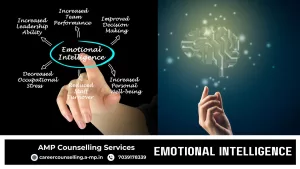
December 12, 2025Every good relationship—whether it’s with your partner, family, friends, or even co-workers—depends on understanding, care, and good communication. But there’s one powerful ingredient that truly strengthens every bond — emotional intelligence. Emotional intelligence helps us understand our own feelings and the emotions of others. It guides us in how we respond, how we communicate, and how we connect with people around us. Instead of reacting quickly or letting emotions control us, it helps us pause, reflect, and respond thoughtfully. In this blog, we’ll explore how emotional intelligence and relationships are closely linked, how it shapes our personal and professional lives, and how we can develop it to build deeper, more fulfilling connections. What is Emotional Intelligence? Emotional intelligence (EQ) is the ability to recognize, understand, and manage emotions — both our own and those of others. It’s about being aware of what you feel, why you feel that way, and how your emotions affect your behavior and relationships. In simple words, emotional intelligence means being smart about emotions — not ignoring them or overreacting to them, but using them in a positive way. There are five key areas of emotional intelligence: Self-awareness – Knowing your emotions and understanding how they influence your actions and decisions. Example: When you feel irritated, you realize it’s because you’re tired, not because someone else did something wrong. Self-regulation – Managing your emotions so that you stay calm and don’t act on impulse. Example: Controlling your temper during an argument instead of shouting. Motivation – Staying positive and focused even when things get tough. Empathy – Understanding what others are feeling and responding with care and compassion. Social skills – Communicating effectively, resolving conflicts, and building healthy, respectful relationships. When we develop these qualities, we naturally become better partners, friends, parents, and colleagues. Our relationships become deeper, more peaceful, and more meaningful. Why Emotional Intelligence is Important in Relationships Relationships are not just about spending time together — they are about connection, understanding, and emotional safety. This is where emotional intelligence and relationships go hand in hand. Here’s how emotional intelligence strengthens every kind of relationship: 1. Builds Better Understanding Emotionally intelligent people can sense when something is wrong, even if the other person doesn’t say it aloud. You start noticing small signs — a change in tone, silence, or body language. This helps you respond with care and understanding instead of frustration or blame. 2. Improves Communication Good communication isn’t just about words; it’s about listening, tone, and emotion. Emotional intelligence helps you listen with empathy and express yourself clearly. You begin to speak with patience and sensitivity, which prevents misunderstandings. 3. Strengthens Trust Trust grows when people feel safe to express themselves. Emotional intelligence helps you communicate openly and honestly. You express your feelings without blaming or attacking, which makes others feel secure and respected. 4. Helps in Managing Conflicts Every relationship faces conflicts, but emotional intelligence helps you handle them wisely. Instead of reacting in anger or walking away, you pause, stay calm, and find solutions together. This builds mutual respect and emotional stability. 5. Encourages Emotional Support One of the most beautiful parts of emotional intelligence is empathy — the ability to truly understand what someone else is feeling. When you respond with care instead of judgment, you make the other person feel supported and loved. 6. Increases Relationship Satisfaction When emotional intelligence grows, love and respect also deepen. Couples and families who practice emotional awareness often feel happier, more connected, and more at peace with one another. They appreciate the small gestures and communicate with kindness. How to Develop Emotional Intelligence in Relationships Building emotional intelligence and relationships takes time and patience, but small daily efforts can make a big difference. Here’s how you can start: 1. Be Aware of Your Emotions Take a few seconds to notice what you’re feeling before reacting. Are you upset, stressed, or tired? When you understand your emotions, you can handle situations calmly instead of reacting impulsively. 2. Listen with Full Attention When someone is sharing their feelings, listen carefully. Avoid interrupting or thinking of your reply while they speak. Listening with empathy helps you connect better and makes the other person feel valued. 3. Manage Your Reactions Don’t let anger or frustration take over. Count to ten, take a deep breath, and respond after you’ve calmed down. This simple practice prevents arguments and improves communication. 4. Show Empathy Empathy means putting yourself in the other person’s shoes. Try to understand how they feel and why. When you respond with kindness and understanding, relationships become more compassionate and secure. 5. Express Your Feelings Clearly Bottled-up emotions create distance. Share how you feel honestly, but in a respectful way. Use gentle words like, “I feel hurt when…” or “It makes me happy when…” This encourages open communication without blame. 6. Practice Gratitude Daily Thank your loved ones for even the smallest things — a kind word, a helping hand, or simply being there. Gratitude strengthens emotional bonds and spreads positivity in relationships. The Role of Emotional Intelligence in Professional Relationships Emotional intelligence is not just for personal life; it plays a big role in the workplace too. Whether you’re a team member or a leader, EQ affects how you work with others. Better teamwork: Understanding coworkers’ emotions helps create cooperation and trust. Effective leadership: Emotionally intelligent leaders inspire and motivate their teams. Conflict resolution: EQ helps handle stressful office situations with maturity and calmness. Positive work culture: Teams with emotional intelligence maintain harmony, empathy, and open communication. When people use emotional intelligence at work, productivity increases, stress decreases, and the environment becomes more positive and supportive. Benefits of Emotional Intelligence in Relationships Let’s look at the wonderful benefits of nurturing emotional intelligence in our relationships: More empathy and understanding – You connect on a deeper emotional level. Reduced arguments and conflicts – Calm communication replaces heated reactions. Better communication – You express yourself clearly and listen with care. Stronger emotional support – You and your loved ones feel valued and understood. Greater relationship satisfaction – There’s more love, gratitude, and peace. Long-lasting trust and respect – Emotional honesty builds lifelong bonds. When emotional intelligence becomes part of your life, your relationships—whether at home or work—become more meaningful, peaceful, and fulfilling. Conclusion Emotions are a natural part of being human. The real magic happens when we learn to understand and use them wisely. Developing emotional intelligence allows us to express ourselves better, respect others’ feelings, and create relationships full of love, care, and understanding. Do you want to improve your relationships and communicate better with the people you love? Table of Contents Toggle What is Emotional Intelligence?Why Emotional Intelligence is Important in RelationshipsHow to Develop Emotional Intelligence in RelationshipsThe Role of Emotional Intelligence in Professional RelationshipsBenefits of Emotional Intelligence in Relationships1. What is the link between emotional intelligence and relationships?2. How can emotional intelligence improve my marriage or relationship?3. Can emotional intelligence help in professional relationships?4. How can I develop emotional intelligence to improve my relationships?5. Why do emotionally intelligent people have stronger relationships? At AMP Counselling Center, we help individuals and couples develop emotional intelligence to build stronger, happier, and more understanding relationships. Our counselling sessions focus on practical tools to manage emotions, resolve conflicts, and create emotional balance. 📞 Call us today at 7039178339 to book your counselling session and take the first step toward healthier, more meaningful relationships. Read More About :Pindasana (Embryo Pose) & Benefits [...] Read more...
December 5, 2025Every organisation dreams of growth, stability, and long-term achievement. But success does not happen overnight. It requires clear vision, strong teamwork, good leadership, healthy communication, and continuous improvement. Whether it is a small business, a school, a corporate office, or a non-profit organisation, each one aims for organisational success. Organisational success is not just about profits. It is also about satisfied employees, strong values, good relationships, and a positive work culture. In simple words, an organisation succeeds when everyone inside it grows together. This blog is presented by AMP Counselling Center. 1. What Is Organisational Success? Organisational success means an organisation is able to achieve its goals in a steady, healthy, and long-lasting way. It is not just about earning profits—it is about growth, stability, and overall well-being. We can understand organisational success through many signs, such as: Employees who feel happy and motivated Leaders who guide with clarity and confidence Smooth and open communication Strong teamwork Satisfied customers Financial stability A positive brand image When people love coming to work, feel respected, and take pride in their contribution, the organisation naturally becomes successful. 2. Why Organisational Success Is Important Organisational success matters because it creates a strong foundation for the future. Here’s why it is essential: a. Stability and Growth A successful organisation is steady. It can handle challenges, adapt to changes, and keep moving forward. b. Motivated Employees When employees see that the organisation is doing well, they feel encouraged to work harder and grow with it. c. Strong Reputation Success builds trust. Customers, clients, and the community begin to see the organisation as reliable and credible. d. Better Productivity With success comes discipline, better processes, and smoother day-to-day operations. This increases productivity naturally. e. Long-Term Survival Organisations that focus on long-term success can survive tough times because they are strong from within. 3. Important Elements That Lead to Organisational Success For any organisation to grow, certain key elements must be in place. These include: a. Effective Leadership Good leaders inspire others. They set the right direction, take smart decisions, and create a supportive environment. b. Clear Communication Communication should be simple and open. When roles and expectations are clear, confusion reduces and work improves. c. Strong Teamwork No organisation can succeed with individual effort alone. It requires people to work together and support one another. d. Employee Satisfaction Employees who feel valued deliver better results. Recognition, respect, and growth opportunities build satisfaction. e. Innovation and Creativity Successful organisations welcome new ideas. They stay updated with trends and are not afraid to experiment. f. Customer Focus Customers decide the future of any business. When they are happy, growth becomes faster and more stable. g. Good Planning Setting goals and planning step-by-step action helps the organisation stay focused and achieve better results. 4. How to Achieve Organisational Success Here are some practical ways any organisation can move towards growth: 1. Set Clear Goals Everyone should know what the organisation wants to achieve. Clear goals create direction and purpose. 2. Encourage Communication Give employees the freedom to express ideas and concerns. This builds trust and makes the workplace healthier. 3. Provide Regular Training Regular training improves skills, boosts confidence, and increases productivity. 4. Build a Positive Culture A culture based on respect, honesty, and teamwork strengthens relationships and improves performance. 5. Appreciate Employees Small recognitions can make a big difference. Appreciation boosts morale and loyalty. 6. Adapt to Change The world is changing fast. Successful organisations learn quickly and adjust their strategies. 7. Focus on Quality Quality builds trust. Whether it’s a service or product, high standards keep customers satisfied. 5. Role of Leadership in Organisational Success Leadership is at the heart of every strong organisation. Good leaders: Communicate expectations clearly Build trust through honesty and transparency Resolve issues before they grow Encourage and motivate team members Support people during challenges Encourage fresh ideas and innovation When leadership is strong, organisational success becomes easier to achieve. 6. Benefits of Organisational Success A successful organisation enjoys several benefits, such as: High employee morale Strong brand reputation Happy and loyal customers Increased profits Smooth daily operations Long-lasting growth A positive and healthy work environment When organisational success becomes a priority, everyone—from employees to customers—gets the advantage. 7. Common Challenges That Affect Organisational Success Every organisation faces obstacles. Some common challenges include: a. Poor Communication When communication is unclear, work slows down and misunderstandings increase. b. Lack of Employee Engagement If employees feel ignored or unvalued, their interest in work decreases. c. Weak Leadership Without proper guidance, teams lose direction and fail to perform well. d. Resistance to Change Some people hesitate to accept new ideas or systems, causing delays in growth. e. Unclear Goals Without clear goals, employees do not know what to achieve or how to move forward. With proper planning, guidance, and counselling, all these challenges can be solved. If your organisation is facing communication challenges, team issues, or leadership confusion, AMP Counselling Center can help you build a clear path toward organisational success. Table of Contents Toggle 1. What Is Organisational Success?2. Why Organisational Success Is Important3. Important Elements That Lead to Organisational Success4. How to Achieve Organisational Success5. Role of Leadership in Organisational Success6. Benefits of Organisational Success7. Common Challenges That Affect Organisational Success1. What is organisational success?2. Why is organisational success important for employees?3. How does communication support organisational success?4. What role does leadership play in organisational success?5. How can an organisation improve teamwork for organisational success?6. What factors affect organisational success the most? 📞 Contact Us Today: 7039178339Let’s work together to create a positive, strong, and successful organisation. Read More About :Parivrittaikapada Shirshasana (Revolved One-Legged Headstand) [...] Read more...
November 28, 2025Good leaders do more than guide a team — they inspire, motivate, and create a positive environment. And the secret behind all of this is effective leadership communication. At AMP Counselling Center, leaders and individuals are guided to understand how clear and confident communication can transform relationships at work. When leaders communicate with clarity and confidence, teams work better, problems reduce, and goals are achieved faster. In this blog, we will understand what effective leadership communication means, why it is important, how leaders can improve it, and how it transforms an organisation. Introduction: Why Effective Leadership Communication Matters Every leader has ideas, plans, and goals. But these ideas become reality only when they are communicated in a clear and simple way. Effective leadership communication helps leaders build trust, avoid confusion, and guide their team smoothly. A leader who communicates well creates a healthy work culture. The team feels supported, valued, and motivated. Good communication also helps leaders connect emotionally with their team members, which builds long-term loyalty and respect. 1. What Is Effective Leadership Communication? Effective leadership communication means sharing information, instructions, and emotions in a way that others can easily understand. It includes: Clear speaking Active listening Respectful tone Positive body language Honest feedback Understanding emotions A good leader does not only talk; they also listen and understand the needs of the team. Their communication is simple, meaningful, and consistent. 2. Why Effective Leadership Communication Is Important Here are some reasons why effective leadership communication is essential for every leader: a. Builds Strong Trust When leaders speak honestly and openly, the team trusts them. Trust builds a strong foundation for teamwork and performance. b. Reduces Stress and Confusion Clear communication means fewer misunderstandings. The team knows exactly what they need to do. c. Encourages Team Participation Good communication invites ideas and feedback. This makes everyone feel important and included. d. Makes Problem-Solving Easier When leaders communicate well, conflicts and challenges are solved quickly and calmly. e. Boosts Productivity Teams perform better when they receive clear instructions and regular motivation. f. Improves Workplace Relationships Good communication strengthens the bond between leaders and employees. This creates a happy and positive work environment. 3. Key Qualities of Effective Leadership Communication To master effective leadership communication, leaders must focus on these qualities: a. Clarity Speak clearly and avoid complicated words. A clear message is easy to follow. b. Confidence A confident tone shows leadership and boosts team trust. c. Empathy Understanding people’s emotions helps create supportive communication. d. Active Listening Good leaders listen more. Listening helps in understanding team challenges. e. Respect Respectful communication builds positivity and strong relationships. f. Consistency Messages should be consistent and dependable. This builds stability. 4. How Leaders Can Improve Effective Leadership Communication Here are practical tips leaders can follow every day: 1. Use Simple Language Short, easy sentences help everyone understand better. 2. Maintain Eye Contact Shows confidence and honesty. 3. Listen Without Interrupting Let the team speak. This builds trust and respect. 4. Ask Questions It shows interest and helps avoid misunderstandings. 5. Give Positive Feedback Appreciation motivates the team and boosts confidence. 6. Handle Conflicts Calmly Stay patient and find peaceful solutions. 7. Encourage Open Communication Create an environment where team members feel free to talk. 8. Be Clear About Expectations Tell the team what you want and why it is important. 9. Use Body Language Wisely A smile, a nod, or a calm posture improves communication. 5. How Effective Leadership Communication Impacts Team Success When leaders use effective leadership communication, the entire organisation benefits: Higher team morale Strong teamwork Better performance Fewer mistakes Improved creativity Greater loyalty among employees More efficient decision-making Strong communication turns a simple team into a successful team. 6. Benefits of Effective Leadership Communication Here are the biggest benefits: Smooth daily operations More respect for leadership Better employee engagement Healthy workplace culture Faster resolution of problems Clear goals and direction Long-term organisational growth 7. Common Challenges in Effective Leadership Communication Even good leaders face communication challenges. Here are some common ones: a. Misunderstanding Messages Sometimes messages are not clear or are interpreted differently. b. Emotional Stress Stress can affect tone and body language. c. Poor Listening When leaders don’t listen, problems increase. d. Cultural or Language Differences This may cause confusion. e. Fear of Speaking Up Some employees don’t speak due to fear or hesitation. These challenges can be overcome with practice, patience, and professional counselling if needed. If you want to improve leadership skills, build stronger communication, or create a positive work culture, AMP Counselling Center is here to help. 📞 Contact Us: 7039178339 Our expert counselling sessions can help you develop effective leadership communication and become a confident, inspiring leader. Read More About: Urdhva Dhanurasana (Upward Bow Pose) [...] Read more...
November 21, 2025Good leadership is not only about giving instructions or taking decisions. It is about connecting with people, understanding them, and guiding them with clarity. This happens only through effective communication in leadership. Whether it is a small team, a school, an office, or a large organisation, good communication helps leaders inspire trust, handle challenges, and encourage teamwork. In this blog by AMP Counselling Center, we will explore why communication in leadership is so important, how leaders can improve their communication skills, and how it impacts overall success. Why Communication in Leadership Matters Every leader has ideas, plans, and dreams for their team. But even the best ideas cannot succeed unless they are communicated clearly. Good communication in leadership ensures that team members understand the vision, feel confident about their work, and stay motivated. When leaders communicate openly and honestly, the team feels supported. Confusion reduces, mistakes become fewer, and everyone works with a positive mindset. Leaders who speak clearly and listen patiently naturally earn respect. They create strong bonds, build trust, and inspire people to follow their guidance willingly. 1. What Is Communication in Leadership? Communication in leadership is the ability to share ideas, emotions, and instructions in a way that others can easily understand. It’s not only about talking—it’s also about listening, observing, and responding with care. A great leader communicates through: Words Tone of voice Body language Actions Attitude For example, a leader who speaks kindly, listens sincerely, and acts with honesty sends a powerful message without even trying. Their team feels comfortable and motivated. Communication in leadership includes: Speaking clearly Listening actively Understanding emotions Motivating team members Giving helpful feedback Resolving conflicts calmly Leaders who practice these skills naturally become more effective and inspiring. 2. Why Communication in Leadership Is Important Here’s why communication in leadership plays such an important role in any organisation: a. Builds Trust When leaders communicate openly, the team feels valued. They trust the leader’s words and depend on their guidance. b. Reduces Confusion Clear communication means everyone knows what to do, how to do it, and why it matters. This reduces mistakes and saves time. c. Encourages Teamwork A leader who communicates well creates unity. Team members understand each other better and work together smoothly. d. Improves Problem-Solving Open communication helps leaders and teams discuss problems without fear. When everyone contributes, solutions come faster. e. Boosts Motivation Simple words like “Well done” or “I appreciate your effort” from a leader can greatly boost team morale. f. Supports Growth Communication in leadership encourages learning. When leaders guide clearly, team members improve their skills and confidence. 3. Key Elements of Effective Communication in Leadership Strong communication in leadership is built on several essential elements: a. Clarity A leader must speak in a clear and simple manner so that the message is understood easily. b. Listening Skills Listening helps leaders notice concerns, understand emotions, and respond wisely. c. Empathy A leader who understands how others feel can build deeper and more trusting relationships. d. Confidence A confident tone and calm behaviour make communication strong and convincing. e. Body Language Eye contact, a gentle smile, and relaxed posture can make conversations more positive. f. Honesty Truthful communication builds trust and respect, which are essential for leadership. 4. How Leaders Can Improve Communication Leaders can strengthen their communication skills with a few simple habits: 1. Use Simple Language Short and clear sentences make communication easy for everyone. 2. Maintain Eye Contact It shows honesty, confidence, and attention. 3. Listen Actively Give full attention when others speak. Avoid interrupting. Understand their points before replying. 4. Give Helpful Feedback Instead of criticizing, guide team members with positive suggestions. 5. Appreciate Regularly A few kind words can motivate the team and build a positive work culture. 6. Stay Calm During Conflicts Handle disagreements with patience. A calm leader brings calmness to the team. 7. Encourage Questions Open communication helps people share doubts without fear. 5. Impact of Communication in Leadership on Team Success When leaders communicate well, the team experiences: A positive and stress-free work environment Better teamwork and coordination More creativity and fresh ideas Higher productivity Improved satisfaction and confidence Stronger overall performance Leaders who communicate clearly make their teams feel supported and valued—and this directly improves the organisation’s success. 6. Benefits of Strong Communication in Leadership Some major long-term benefits include: Smooth daily operations Strong and healthy relationships Faster decisions Reduced stress Higher trust among team members A strong and respected leadership image Consistent success and growth 7. Common Challenges in Communication in Leadership Even good leaders face communication challenges. Some common issues are: Misunderstandings Language differences Emotional reactions Vague instructions Poor listening High stress levels These challenges can be overcome with practice, patience, and professional counselling when needed. With the right guidance, leaders can improve their communication and lead with confidence. If you want to improve your leadership skills, strengthen communication, or build a confident team, AMP Counselling Center is here to help. 📞 Contact us: 7039178339 Start your journey towards becoming a stronger and more effective leader today! Read More About: Hanumanasana (Monkey Pose) Benefits [...] Read more...
November 14, 2025Marriage is one of the most important relationships in life. It brings love, companionship, and shared dreams — but it also comes with challenges. The way couples handle emotions, communicate, and respond to each other decides how strong their bond will be. This is where emotional intelligence in marriage plays a vital role, and at AMP Counselling Center, we emphasise its importance for healthy relationships Emotional intelligence, or EQ, is not about how much you know, but how well you understand and manage emotions — both your own and your partner’s. In this blog, we’ll explore how emotional intelligence in marriage can make relationships healthier, happier, and more peaceful. Table of Contents Toggle What is Emotional Intelligence in Marriage?Why Emotional Intelligence Matters in MarriageHow to Develop Emotional Intelligence in MarriageBenefits of Emotional Intelligence in Marriage1. What does emotional intelligence in marriage mean?2. How does emotional intelligence improve marriage communication?3. Can emotional intelligence in marriage prevent conflicts?4. Is emotional intelligence more important than love in marriage?5. Can emotional intelligence in marriage be developed over time? What is Emotional Intelligence in Marriage? Emotional intelligence in marriage means understanding your own emotions as well as your partner’s feelings, and using that understanding to build a healthier and happier relationship. It’s about being calm, patient, and thoughtful, especially during difficult moments. In a marriage, emotions run deep. There will be moments of joy, stress, confusion, and even anger. Emotionally intelligent couples do not avoid these emotions—they deal with them with kindness and maturity. They know that marriage is not about being perfect, but about understanding each other better every day. Emotionally intelligent couples: Listen without judging Understand each other’s moods Respond gently instead of reacting harshly Express emotions in a healthy way Here are the key components of emotional intelligence in marriage: Self-awareness: Knowing what you’re feeling and how your emotions affect your partner. Self-regulation: Staying calm during anger, frustration, or disappointment. Empathy: Understanding and feeling what your partner is going through. Motivation: Staying positive and committed even in difficult phases. Social skills: Communicating respectfully, solving problems together, and supporting each other. Why Emotional Intelligence Matters in Marriage Marriage needs love, but it also needs emotional understanding and balance. Emotional intelligence helps couples handle ups and downs without hurting each other. Here’s how emotional intelligence in marriage strengthens relationships: 1. Better Communication When you understand and manage your emotions, you communicate more clearly. Emotionally intelligent couples talk openly but respectfully. They don’t hide feelings or use harsh words. This reduces misunderstandings and helps both partners feel valued. 2. Stronger Emotional Bond Understanding each other’s emotions creates closeness. When your partner feels sad or stressed, emotional intelligence helps you comfort them in the right way. This emotional support builds trust and connection. 3. Healthier Conflict Resolution Arguments are normal in every marriage. But the difference lies in how couples handle them. Emotional intelligence helps partners stay calm, listen to each other, and find solutions. Instead of blaming, they work as a team. 4. More Trust and Respect When both partners communicate honestly and handle emotions gently, trust grows naturally. Respect becomes the foundation of the marriage. This makes both partners feel safe and loved. 5. Long-Lasting Happiness Emotionally intelligent couples appreciate each other more. They share gratitude, celebrate small joys, and stay connected emotionally. This leads to deeper happiness and long-term satisfaction in marriage. How to Develop Emotional Intelligence in Marriage Building emotional intelligence is a continuous process. Here are simple ways couples can grow together emotionally: 1. Understand Your Emotions Before reacting, pause and ask yourself: “Why am I feeling this way?” “Am I stressed, tired, or hurt?” Understanding your emotions helps you respond thoughtfully instead of reacting emotionally. 2. Listen with Empathy When your partner talks, listen fully. Keep your phone aside. Focus on their words and feelings. Listening with empathy shows that you care and want to understand them. 3. Communicate Openly but Gently Use kind and honest communication. Avoid blaming. Say things like: “I feel upset when…” “I need your support with…” This helps you express emotions without hurting your partner. 4. Manage Anger Calmly Everyone gets angry occasionally. But emotional intelligence teaches you to control your reaction. Taking a deep breath, going for a short walk, or waiting until you calm down can prevent unnecessary fights. 5. Appreciate Your Partner A simple “thank you,” “I appreciate you,” or “You did great today” can make a big difference. Appreciation creates positivity and strengthens emotional connection. 6. Forgive and Move On Holding grudges creates distance. Emotionally intelligent couples forgive each other’s mistakes and focus on rebuilding trust. They choose peace over ego. Benefits of Emotional Intelligence in Marriage Here are the key advantages of practicing emotional intelligence in marriage: Deeper emotional understanding More emotional support during hard times Fewer arguments and misunderstandings Smoother communication Stronger trust and love Greater peace and happiness at home Couples who practice emotional intelligence build a foundation that can withstand stress, disagreements, and life challenges. Common Challenges in Emotional Intelligence in Marriage Even couples with high emotional intelligence can face challenges. Here are some common issues and how to overcome them: 1. Emotional Reactivity If one partner reacts loudly or quickly, misunderstandings can happen. Solution: Pause, breathe, and speak calmly. 2. Lack of Empathy When partners fail to understand each other’s emotions, they feel disconnected. Solution: Try to see things from your partner’s point of view before responding. 3. Poor Communication Not expressing feelings clearly leads to confusion. Solution: Practice open conversations and active listening. 4. Unresolved Past Issues Old hurt can create new problems. Solution: Seek counselling to heal emotional wounds and build fresh understanding. Working through these challenges with care and patience helps couples grow emotionally and strengthen their bond. Emotional intelligence in marriage is the foundation of a happy and lasting relationship. It helps couples understand each other deeply, communicate better, and handle life’s challenges together. When both partners develop emotional intelligence, their love becomes more mature, understanding, and peaceful. At AMP Counselling Center, we help couples strengthen their emotional connection and improve communication through guided counselling sessions. If you wish to enhance emotional intelligence in marriage, call us today at 7039178339 to book your session and begin your journey toward a happier, more loving relationship. ❤️ Read More About :Parivrittaikapada Shirshasana (Revolved One-Legged Headstand) [...] Read more...
October 26, 2025Starting your first job can be both exciting and confusing. As a fresher, you may have questions about interviews, resumes, communication, and how to fit into a new workplace. That’s why this fresher job guide by AMP Counselling Center is here — to help you prepare, stay confident, and make a great first impression. Whether you are a college graduate or switching from studies to your first career opportunity, this guide will make your transition easier. With the right attitude and preparation, you can begin your professional journey successfully. 💼 What Is a Fresher Job Guide? A fresher job guide is a complete roadmap that helps new graduates understand how to find, apply for, and succeed in their first job. It provides tips on resume writing, interview preparation, workplace behavior, and career growth. This guide is designed to help you: Identify your strengths and skills. Build a professional resume. Prepare confidently for interviews. Develop communication and teamwork skills. Adapt easily to the work environment. 🌿 Why Every Student Needs a Fresher Job Guide Starting a career without guidance can feel stressful. A fresher job guide helps you understand what employers expect and how you can stand out. Here’s why it’s essential: Boosts Confidence – You’ll feel more prepared and less nervous during interviews. Improves Professional Skills – Learn how to communicate, plan, and present yourself effectively. Saves Time and Effort – Avoid common mistakes that freshers often make. Provides Clarity – Helps you set realistic goals and choose the right career path. Encourages Growth – Teaches how to keep learning even after getting a job. ✍️ Resume Writing Tips for Freshers Your resume is your first introduction to an employer. Here are simple tips from our fresher job guide: Keep It Short and Clear – Use one page with neat formatting. Highlight Education and Skills – Focus on your qualifications, internships, or projects. Add Relevant Keywords – Use job-related terms that match the job description. Avoid Errors – Proofread for grammar and spelling mistakes. Add a Career Objective – Write a short statement about your goals. A well-formatted resume shows professionalism and makes a strong first impression. 🧠 Interview Preparation Tips Interviews can be nerve-wracking, but preparation makes all the difference. The fresher job guide recommends: Research the Company – Know their values, products, and goals. Practice Common Questions – Be ready for questions like “Tell me about yourself.” Dress Professionally – Simple, neat, and clean attire matters. Stay Calm and Positive – Take deep breaths and smile naturally. Follow Up – Send a thank-you email after the interview. Remember, confidence comes from preparation. 🌼 Workplace Tips for Freshers Once you get the job, the real learning begins. This fresher job guide shares how to adjust smoothly: Be Punctual – Arrive on time and respect deadlines. Listen and Learn – Observe your seniors and understand work culture. Ask Questions – Never hesitate to seek help or clarification. Be a Team Player – Collaborate well with colleagues. Stay Positive – Mistakes happen; learn from them and move forward. Your first few months at work are about adapting and showing enthusiasm. 🌟 Essential Soft Skills for Freshers Apart from technical knowledge, soft skills are equally important. Here are must-have skills from our fresher job guide: Communication Skills – Speak clearly and listen actively. Time Management – Organize your day and meet deadlines. Teamwork – Work well with others. Problem Solving – Think calmly in tough situations. Adaptability – Be open to new ideas and feedback. These qualities make you stand out in any workplace. 🌺 Career Growth Tips for Freshers The fresher job guide doesn’t stop at getting your first job — it also helps you grow. Keep Learning – Take short courses and stay updated in your field. Build Connections – Network with colleagues and mentors. Seek Feedback – Improve continuously with constructive advice. Stay Professional – Be respectful and maintain a positive attitude. Plan Ahead – Set long-term career goals early. Every job teaches something valuable — treat each experience as a step toward success. Your first job is the beginning of your professional journey. With this fresher job guide, you can enter the workforce confidently and avoid common mistakes. Remember, success doesn’t come overnight — it grows with patience, learning, and consistency. Start your career the right way with AMP Counselling Center’s Fresher Job Guide. 📱 Contact us today: 7039178339 Let our experts help you prepare for interviews, improve confidence, and achieve your dream job! Read More About :Parivrittaikapada Shirshasana (Revolved One-Legged Headstand) [...] Read more...
October 19, 2025In today’s fast-paced world, success is not only about intelligence or qualifications. It’s also about how well you understand and manage emotions — both yours and others’. This ability is called emotional intelligence. Developing strong emotional intelligence skills helps you build better relationships, stay calm under pressure, and make balanced decisions. This blog is presented by AMP Counselling Center, an organisation that helps individuals enhance self-awareness, emotional balance, and personal growth through counselling and guidance. Whether you are a student, a professional, or a parent, learning emotional intelligence skills can change the way you live, work, and connect with people. 💡 What Are Emotional Intelligence Skills? Emotional intelligence skills are the abilities that help you recognize, understand, and manage emotions effectively. It is not about controlling emotions but about responding to them wisely. Key components of emotional intelligence include: Self-awareness – Understanding your emotions and how they affect your behaviour. Self-regulation – Staying calm and in control during emotional situations. Motivation – Using emotions positively to stay focused and achieve goals. Empathy – Understanding other people’s feelings and responding with care. Social skills – Building healthy relationships and communicating effectively. 🌿 Why Emotional Intelligence Skills Are Important Good emotional intelligence skills play a key role in everyday life. Here’s why they matter: Improves Communication Helps you express yourself clearly and listen better. Strengthens Relationships Understanding emotions helps you connect with others more deeply. Reduces Stress You handle pressure and challenges with more calmness and clarity. Encourages Better Decision-Making Emotionally intelligent people think rationally and act wisely. Boosts Self-Confidence Knowing yourself better helps you make choices confidently. Supports Leadership and Teamwork Leaders with strong emotional intelligence inspire trust and motivate others. 🌸 How to Develop Emotional Intelligence Skills Improving emotional intelligence skills takes awareness and practice. Here are simple steps you can follow: Observe Your Emotions Notice how you feel in different situations and what triggers your emotions. Pause Before Reacting Take a few seconds to think before responding when angry or upset. Practice Empathy Try to see things from another person’s point of view. Develop Positive Thinking Replace negative self-talk with encouraging thoughts. Learn to Manage Stress Practice deep breathing, yoga, or meditation to stay calm. Communicate Clearly Be honest but kind when expressing your feelings. Seek Feedback Ask friends or mentors how you handle emotions and learn from their feedback. Stay Consistent Like any skill, emotional intelligence grows stronger with daily practice. 🌼 Benefits of Emotional Intelligence Skills Better Mental Health – You feel more balanced and less anxious. Improved Work Performance – Helps manage pressure and cooperate with colleagues. Healthier Relationships – Reduces conflicts and builds understanding. Personal Growth – Increases patience, kindness, and inner strength. More Happiness – Helps you live a peaceful and positive life. 🌻 Role of Emotional Intelligence Skills in Daily Life Handling arguments calmly at home or work. Supporting friends or family in difficult times. Managing disappointment after failure. Staying motivated to achieve goals despite challenges. Understanding your strengths and weaknesses. In short, emotional intelligence skills help you handle every situation with maturity and compassion. 🌺 Common Barriers to Developing Emotional Intelligence Skills Even though everyone can develop emotional intelligence skills, some common barriers can make it difficult. Understanding these barriers is the first step to overcoming them. Lack of Self-Awareness Many people go through the day without realizing what they’re truly feeling. When you don’t recognize emotions, it becomes hard to manage or express them properly. Fear of Vulnerability Some people think showing emotions is a sign of weakness. In truth, expressing emotions respectfully shows maturity and honesty. Negative Thinking Patterns Constant negative self-talk or judgmental thinking blocks emotional growth. Replacing negative thoughts with positive affirmations can help. Poor Communication Habits Interrupting, reacting harshly, or ignoring others’ feelings damages emotional understanding. Practising active listening and empathy improves emotional connection. Unmanaged Stress High stress levels can cloud judgment and reduce emotional control. Regular relaxation and mindfulness practices can help regain balance. 🌻 Simple Daily Practices to Strengthen Emotional Intelligence Skills Developing emotional intelligence skills doesn’t require big changes — small, consistent efforts in daily life can make a big difference. Start Your Day Mindfully Spend five minutes each morning focusing on your breathing. It calms your mind and prepares you to handle emotions throughout the day. Label Your Emotions When you feel upset, don’t just say “I’m angry.” Try to name the feeling — “I’m frustrated because I felt ignored.” Naming emotions makes them easier to understand and manage. Reflect Every Evening Before sleeping, think about how you handled emotions during the day. Ask yourself: “Did I react calmly? Could I have done better?” This helps you grow emotionally. Listen Without Judging When someone shares a problem, listen patiently without interrupting or judging. This habit develops empathy and strengthens relationships. Show Gratitude Daily Appreciate small things — a kind word, a good meal, or a peaceful moment. Gratitude improves your emotional state and spreads positivity. By following these simple habits, you can strengthen your emotional intelligence skills and create a happier, more meaningful life. Building emotional intelligence skills is a lifelong journey. When you understand your emotions and those of others, you create stronger connections and a more peaceful life. These skills are the foundation of happiness, success, and emotional well-being. If you want to strengthen your emotional intelligence skills, connect with our experts at AMP Counselling Center. 📱 Contact us today: 7039178339 Let us help you build emotional strength, confidence, and clarity for a happier life! Read More About :Urdhva Dhanurasana (Upward Bow Pose) [...] Read more...
October 13, 2025Your resume is your first impression on employers. It tells them who you are, what you’ve done, and why you are the right person for the job. A well-formatted resume can help you stand out from hundreds of other applicants. At AMP Counselling Center, we guide students and professionals to create resumes that are clean, professional, and easy to read. These resume formatting tips will help you design a resume that not only looks good but also highlights your skills and achievements clearly. 🧩 What Is Resume Formatting? Resume formatting means arranging your information in a structured and professional way. It focuses on the layout, font, spacing, and overall appearance of your resume. Good formatting makes your resume easy to read, while poor formatting can make even the most qualified candidate look unprofessional. 🧠 Why Resume Formatting Tips Are Important Having the right resume formatting tips can make a big difference in your job search. Here’s why formatting matters: Creates a Good First Impression – Employers form an opinion within seconds. A neat layout attracts attention. Highlights Key Details – Proper spacing and structure help important information stand out. Improves Readability – Clean fonts and bullet points make your resume easier to scan. Shows Professionalism – A well-formatted resume reflects discipline and attention to detail. Passes ATS Scanners – Many companies use software to filter resumes. Proper formatting ensures your resume is not rejected automatically. 📄 Types of Resume Formats When applying for a job, it’s important to choose the right format. Here are the most common ones: Chronological Format Lists your work experience in order, starting from the most recent. Ideal for people with strong work history. Functional Format Focuses on your skills and strengths instead of experience. Suitable for freshers or people changing careers. Combination Format Mixes both experience and skills. Great for those with diverse experience and talents. 💡 Top Resume Formatting Tips Here are some simple and effective resume formatting tips to make your resume look professional and appealing: Use Simple and Clean Fonts Stick to easy-to-read fonts like Arial, Calibri, or Times New Roman. Avoid fancy or decorative fonts. Keep Font Size Consistent Use 11–12 points for text and 14–16 points for headings. Use Bullet Points Bullet points make information easy to scan. Avoid long paragraphs. Maintain Proper Margins and Spacing Keep one-inch margins and proper spacing between sections to make your resume neat. Highlight Important Information Use bold text for job titles or key achievements, but don’t overdo it. Include Contact Details Clearly At the top of your resume, add your full name, phone number, and email address. Use Action Words Start sentences with words like “Led,” “Developed,” “Created,” or “Managed.” It shows confidence and results. Limit Resume Length Ideally, your resume should be one page long. If you have over 10 years of experience, two pages are acceptable. Avoid Grammar Mistakes Always proofread your resume or use a grammar checker before sending it. Save as PDF Always save your resume as a PDF to maintain formatting when viewed on different devices. 🌼 Additional Resume Formatting Tips for Freshers If you are a fresher, these points will help: Focus on education, skills, and projects. Mention internships or volunteer work. Keep the format simple and clean. Avoid including too much personal information. 🌿 Resume Formatting Tips for Professionals For experienced candidates: Highlight key achievements in each job. Use numbers to show results (e.g., “Increased sales by 20%”). Place your most relevant experience at the top. Keep the design minimal yet professional. ✨ Common Mistakes to Avoid Using too many fonts or colors. Including irrelevant details. Adding photos (unless required). Writing in long paragraphs. Forgetting to update your contact details. Avoiding these mistakes will make your resume clean, modern, and professional. A well-formatted resume is more than just a document — it’s a reflection of your personality and professionalism. By following these resume formatting tips, you can create a resume that looks organized, clear, and impressive. Remember, a recruiter spends only a few seconds scanning each resume, so make sure yours is simple, attractive, and easy to read. Want to make your resume stand out from the crowd? Get expert help from AMP Counselling Center to design a professional, well-structured resume that gets noticed! 📲 Call now: 7039178339 🌿 Let’s build your perfect resume and move your career forward! Read More About :Padma Sirshasana (Lotus Headstand) [...] Read more...
October 6, 2025Decision making skills are an important part of everyday life. From choosing what to eat for breakfast to selecting a career or partner, we make decisions all the time. Good decision making skills help you make the right choices with confidence and clarity. At AMP Counselling Center, we understand that many people struggle to make decisions due to confusion, fear, or overthinking. With proper guidance, you can develop strong decision making skills and handle life’s challenges with calm and confidence. 🌿 What Are Decision Making Skills? Decision making skills are the abilities that help you identify options, analyze situations, and choose the best possible action. These skills involve logical thinking, emotional balance, and self-awareness. Simply put, decision making skills allow you to think before you act and help you move forward without regret or hesitation. 💡 Importance of Decision Making Skills Strong decision making skills can shape your life positively. Here’s why they are important: Brings Clarity in Thoughts – Helps you think clearly and remove confusion. Reduces Stress – When you know how to decide, you feel more relaxed and confident. Saves Time – You stop overthinking and take quick, effective actions. Improves Confidence – You trust your instincts and judgment more. Builds Responsibility – Helps you own your decisions and learn from them. Supports Career Growth – Leaders and professionals succeed because they make smart decisions. 🌼 Key Elements of Good Decision Making Skills Developing strong decision making skills takes awareness and practice. Here are the main elements: Self-Awareness – Understand your strengths, weaknesses, and goals before deciding. Information Gathering – Always collect enough information before making a choice. Logical Thinking – Weigh pros and cons before taking action. Emotional Balance – Don’t let emotions control your decisions. Stay calm. Confidence – Believe in your ability to choose the right path. Learning from Experience – Every decision, right or wrong, teaches something valuable. 🌸 How to Improve Decision Making Skills Here are some simple ways to build your decision making skills: Set Clear Goals Know what you want. When your goals are clear, decisions become easier. Think Before You Act Take a few minutes to analyze every important decision. Don’t rush. List Pros and Cons Write down the advantages and disadvantages of every choice. It helps you see clearly. Avoid Overthinking Too much thinking creates confusion. Learn to trust your inner wisdom. Seek Guidance If confused, talk to a counsellor or mentor. At AMP Counselling Center, trained counsellors can help you make decisions that match your goals. Learn from Mistakes Every wrong decision is an opportunity to grow. Accept it and move forward. Practice Small Decisions Start by making small choices daily — like what to read, eat, or watch. This builds confidence for bigger life decisions. Stay Positive Believe that every choice you make is taking you closer to your purpose. 🌺 Decision Making Skills in Daily Life Good decision making skills are useful everywhere — at home, at work, and in relationships. At Work: Helps you solve problems and plan effectively. At School or College: Supports better study habits and career choices. In Relationships: Encourages healthy communication and understanding. In Personal Growth: Helps you set boundaries, choose priorities, and stay peaceful. With proper practice, you can make smarter choices that lead to happiness and success. 🌞 Benefits of Strong Decision Making Skills Better problem-solving ability. Improved focus and self-control. Greater personal and professional growth. Reduced anxiety and confusion. Increased success and satisfaction in life. If you want to strengthen your decision making skills and build a confident, focused life, get in touch with AMP Counselling Center today!Our experienced counsellors can help you make smart, stress-free decisions for your personal and professional growth. Table of Contents Toggle 🌿 What Are Decision Making Skills?💡 Importance of Decision Making Skills🌼 Key Elements of Good Decision Making Skills🌸 How to Improve Decision Making Skills🌺 Decision Making Skills in Daily Life🌞 Benefits of Strong Decision Making Skills1. What are decision making skills and why are they important?2. How can I improve my decision making skills?3. Why do some people struggle with decision making skills?4. How do decision making skills help in career growth?5. Can counselling improve decision making skills? 📲 Call now: 7039178339🌿 Let’s help you make the right choices — confidently and calmly! Read More About : Gupta Padmasana (Hidden Lotus Pose) & Benefits [...] Read more...
September 29, 2025In today’s fast-paced world, success is not only about IQ or technical skills. It’s also about how well you understand yourself and connect with others. This is where emotional intelligence plays a huge role. Whether at work, in relationships, or in everyday life, developing emotional intelligence helps you stay calm, make better decisions, and build stronger bonds. Blog Owner: AMP Counselling Center 🔑 What is Emotional Intelligence? Emotional intelligence (EI) is the ability to recognize, understand, and manage your own emotions while also being aware of others’ feelings. It’s about handling situations with empathy, balance, and confidence. People with strong emotional intelligence can stay calm under stress, communicate better, and build healthier relationships. 🌿 Why Emotional Intelligence Matters Better Relationships – Understanding others’ emotions helps you connect deeply and avoid unnecessary conflicts. Improved Decision-Making – EI allows you to stay rational even when emotions run high. Stress Management – Emotionally intelligent people cope with challenges without breaking down. Career Success – Employers value employees who can lead, collaborate, and adapt effectively. 💬 Core Components of Emotional Intelligence Self-Awareness Being aware of your emotions is the first step. It helps you identify what triggers you and how you respond. Self-Regulation Instead of reacting instantly, emotionally intelligent people pause, think, and then act. This builds trust and professionalism. Motivation Strong EI keeps you focused on long-term goals, even when challenges arise. Empathy Understanding others’ perspectives allows you to support and connect with them better. Social Skills Effective communication, teamwork, and conflict resolution all come from strong social skills. 🌟 How to Improve Your Emotional Intelligence Practice Active Listening – Truly listen without interrupting. Manage Stress – Use deep breathing, meditation, or journaling to stay calm. Ask for Feedback – Learn how others see you and improve. Respond, Don’t React – Take a pause before replying in heated situations. Work on Empathy – Put yourself in others’ shoes to understand their feelings. 🌱 Everyday Examples of Emotional Intelligence At work: Staying calm during a disagreement instead of raising your voice. At home: Understanding when your loved one is upset even if they don’t say it. With friends: Supporting them during tough times without judgment. ❌ What Happens Without Emotional Intelligence? Frequent misunderstandings and arguments. Poor teamwork and weak leadership. Stress, burnout, and frustration. Difficulty maintaining healthy relationships. ✅ Benefits of Building Emotional Intelligence Stronger personal and professional relationships. Better conflict resolution skills. Increased confidence and self-control. A happier, more balanced life. 🌟 Emotional Intelligence Builds Better Leadership Leaders who understand their emotions and the feelings of others inspire trust and respect. Instead of simply giving orders, emotionally intelligent leaders motivate, guide, and support their teams. They know when to push, when to listen, and when to encourage. This makes them approachable and effective in building strong teams. 💬 Emotional Intelligence Improves Conflict Resolution Disagreements are a part of life—whether at work, home, or in friendships. People with high emotional intelligence don’t react impulsively. They listen calmly, try to understand the other side, and then find a solution that works for everyone. This ability to manage conflict without anger or blame keeps relationships healthier and stronger. 🌿 Emotional Intelligence Enhances Mental Well-being When you are more aware of your emotions, you don’t let stress or negativity take control. Instead of bottling up feelings or overreacting, you learn to process them in a healthy way. This not only reduces anxiety and frustration but also improves overall happiness and peace of mind. Emotional intelligence acts like an inner tool to maintain balance in your mental health. Want to enhance your emotional intelligence and improve your personal and professional life? Connect with AMP Counselling Center today. We’ll guide you in building self-awareness, empathy, and communication skills that truly make a difference. Want to enhance your emotional intelligence and improve your personal and professional life? Connect with AMP Counselling Center today. We’ll guide you in building self-awareness, empathy, and communication skills that truly make a difference. Read More About : Baddha Padmasana (Bound Lotus Pose) [...] Read more...
September 22, 2025Leadership is more than just giving instructions—it’s about inspiring, guiding, and supporting others to bring out their best. At AMP Counselling Center, we believe that whether you are a student, professional, or entrepreneur, strong leadership skills can make a huge difference in how you grow personally and professionally. Let’s explore what leadership truly means and how you can develop it in simple, practical ways. 🔑 What Are Leadership Skills? Leadership skills are qualities that help you guide, influence, and motivate others while achieving goals effectively. They include communication, decision-making, empathy, problem-solving, and the ability to inspire people. True leadership isn’t about showing power—it’s about taking responsibility and serving others. A good leader helps the team shine, not just themselves. 🌿 Why Leadership Skills Matter in Everyday Life Career Growth – Employers don’t just hire people who can work; they look for individuals who can lead projects, manage teams, and deliver results. Strong leadership makes you stand out. Confidence Building – Leadership teaches you to believe in your decisions. Even when mistakes happen, you learn to take responsibility and grow. Better Relationships – Leaders know how to listen, understand, and empathize with others. This makes personal and professional relationships smoother. Problem Solving – Challenges are part of life. Leaders don’t panic; they stay calm, think logically, and find solutions. 💬 Key Leadership Skills to Develop Effective Communication Good leaders speak clearly and listen deeply. Communication is not just about talking—it’s about making sure the other person feels understood. This builds trust and avoids confusion. Decision-Making Ability Leadership often means making tough choices. Strong leaders don’t delay decisions; they evaluate the situation, consider options, and take action—even under pressure. Emotional Intelligence Great leaders are aware of their emotions and understand the emotions of others. This helps them manage conflicts, motivate their team, and create a positive environment. Delegation Leaders know they can’t do everything themselves. They assign tasks to people who are best suited for them. Delegation improves efficiency and shows trust in the team. Adaptability Life is unpredictable, and so is work. Leaders who can quickly adapt to change inspire confidence. Flexibility helps the team stay strong during challenges. Motivation and Inspiration True leaders lift people up. They make others believe in themselves and encourage them to reach their highest potential. 🌟 How to Improve Your Leadership Skills Practice Active Listening – Pay attention to what others say before responding. This shows respect and builds stronger bonds. Seek Feedback – Don’t be afraid of constructive criticism. Learning from feedback helps you grow faster. Take Initiative – Step forward when leadership is needed. Taking action shows responsibility and courage. Learn Continuously – Read books, attend workshops, and follow mentors. Leadership is a lifelong journey. Stay Calm Under Pressure – When things go wrong, keep your composure. This earns trust and shows your strength as a leader. ✨ Additional Leadership Qualities to Focus On Vision and Goal-Setting A great leader doesn’t just work on today’s tasks—they create a vision for the future. Setting clear goals gives the team direction and purpose. Conflict Resolution Disagreements are natural in any group. A strong leader knows how to handle conflicts fairly, keeping peace and ensuring teamwork isn’t disrupted. Accountability Leaders lead by example. Taking responsibility for both successes and failures shows integrity and earns respect from others. 🌍 Build Teamwork and Collaboration A true leader knows that success is never a solo journey. Teamwork helps people bring their unique strengths together for a common goal. As a leader, you should: Encourage open communication so everyone feels heard. Appreciate each person’s effort, no matter how small. Create a supportive environment where collaboration feels natural. When people feel valued, they are motivated to work harder and better as a team. 🕰️ Time Management and Organization Leadership also means managing time effectively—not only your own but also your team’s. A disorganized leader creates confusion, but a well-organized one builds trust. To do this: Prioritize tasks based on importance and deadlines. Delegate wisely so no one feels overworked. Plan ahead instead of rushing last minute. When you respect time, people respect your leadership. 🌱 Lead by Example One of the most powerful ways to lead is by showing, not just telling. People watch what leaders do more than what they say. For example: If you want your team to be punctual, you should be on time. If you expect honesty, always be transparent in your actions. If you want commitment, show dedication yourself. Leading by example earns respect and inspires others to give their best. At AMP Counselling Center, we help individuals develop strong leadership skills that prepare them for success in career and life. 🌟 Read More About :Vatayanasana (Horse Face Pose) Steps and Benefits [...] Read more...
September 15, 2025When it comes to job applications, your resume is your first introduction to the employer. But even with great skills and experience, simple resume presentation mistakes can cost you the job opportunity. A resume is not just about what you write—it’s also about how you present it. Poor formatting, cluttered design, or missing details can make recruiters lose interest in just a few seconds. That’s why AMP Counselling Center emphasizes the importance of a polished and professional resume presentation. ❌ Using Too Many Fonts and Colors Your resume is not meant to look like a festival poster. When you use multiple fonts, bright colors, or fancy designs, it can distract recruiters from the actual content. Hiring managers usually prefer a clean and professional look. Stick to one or two simple fonts like Arial, Calibri, or Times New Roman. For colors, black should be your primary choice for text, and you can use just one subtle color (like navy or dark gray) to highlight headings. This keeps your resume elegant and easy on the eyes. ❌ Writing Long Paragraphs Instead of Bullet Points Recruiters usually spend only 6–10 seconds scanning each resume. If your achievements are buried in long paragraphs, they might get skipped. Long text blocks can overwhelm the reader and make your resume look messy. Instead, use bullet points to break down your work experience and highlight key achievements. For example, instead of writing a long sentence, keep it short and crisp like: Increased sales by 20% in six months Managed a team of 10 people successfully This makes your resume quick to read and easy to understand. ❌ Ignoring White Space and Alignment A resume crammed with text looks cluttered and unprofessional. White space (empty space on the page) is just as important as the content itself. It gives your resume a neat, breathable look and makes it easy to scan. Similarly, poor alignment—like uneven margins or inconsistent bullet points—can make your resume look careless. Always keep consistent spacing, margins, and alignment throughout the document. Remember, a clean layout shows attention to detail. ❌ Not Tailoring Resume for Each Job Sending the same resume to every job is one of the biggest mistakes job seekers make. Employers want to see why you are the right fit for their specific role. If you don’t highlight relevant skills and achievements, your resume may be ignored. The solution? Customize your resume for each job description. For example, if the role emphasizes leadership, highlight your experience managing teams. If it requires technical skills, bring those to the forefront. Tailoring your resume shows effort and makes you stand out. ❌ Forgetting About ATS (Applicant Tracking Systems) Most companies today use ATS software to screen resumes before a human even sees them. If your resume has fancy designs, graphics, or complicated tables, the ATS may not read it correctly, and you could be rejected automatically. To avoid this, keep your resume ATS-friendly by using simple text formatting, standard headings (like "Work Experience," "Skills," "Education"), and avoiding unnecessary graphics. This ensures your resume passes through the software and reaches the recruiter. ❌ Missing Key Information in Resume Header Your resume header is the very first thing recruiters see. If it doesn’t include basic contact details, they won’t know how to reach you. Many candidates forget to update their phone number, email, or LinkedIn profile. Always make sure your header clearly lists: Full Name Phone Number Professional Email ID LinkedIn Profile (or portfolio link if relevant) This small detail can make a big difference in whether a recruiter follows up with you. ❌ Overloading with Irrelevant Details It’s tempting to add every job you’ve ever done, but recruiters don’t need a full history since your college days. Filling your resume with too many irrelevant details makes it long, confusing, and unfocused. Instead, focus on the most recent and relevant experiences. Tailor the details to match the job you’re applying for. For example, if you’re applying for a finance role, you don’t need to include your part-time job as a café server unless it adds transferable skills. ✅ How to Fix Resume Presentation Mistakes Here’s a quick checklist to keep your resume polished and professional: Keep the design simple, clean, and professional. Use bullet points instead of long paragraphs. Maintain proper alignment, margins, and white space. Tailor your resume for each job you apply to. Make sure it’s ATS-friendly with simple formatting. Double-check spelling, grammar, and contact details before sending. A well-presented resume can be the difference between getting shortlisted or overlooked. Don’t let small mistakes hold you back! Connect with AMP Counselling Center for professional resume guidance and career counselling to make your profile stand out. Read More About :Eka Pada Rajakapotasana (One-Legged King Pigeon Pose) [...] Read more...
September 8, 2025When it comes to job hunting, your resume isn’t just a list of experiences—it’s your professional story. The way you present your resume plays a huge role in making that first impression. Even if you have strong qualifications, a poorly presented resume can easily be overlooked. A well-structured, neat, and professional resume presentation ensures that your skills and achievements are noticed instantly. This blog is brought to you by AMP Counselling Center, committed to guiding you towards career success. 📌 Why Resume Presentation Matters When you apply for a job, your resume is often the first thing a recruiter notices. They usually spend only a few seconds scanning it before deciding whether to read further. That’s why the way you present your resume is just as important as what’s written in it. A neat, well-structured, and visually clear resume presentation makes you look professional, serious about the role, and easy to evaluate. 📝 Keep the Format Simple and Professional Your resume doesn’t need to be flashy to get noticed. In fact, too much design can hurt more than it helps. A clean format shows that you value clarity and professionalism. Use standard fonts like Arial, Calibri, or Times New Roman—they’re easy to read and recruiter-friendly. Keep your headings consistent so the recruiter knows where to look. Use bullet points instead of long paragraphs to highlight achievements. Avoid too many graphics, icons, or colors unless you’re applying for a creative role like design or media. 🎯 Structure Your Resume Clearly Think of your resume like a story—you want it to flow smoothly so the recruiter quickly understands who you are and what you offer. A clear structure helps. Include: Header – Your full name, phone number, email, and LinkedIn or portfolio link. Summary – A short 2–3 line statement about your strengths, experience, and career goals. Work Experience – List job titles, companies, and dates. Under each, write responsibilities and achievements. Skills – A mix of technical skills (like software, tools, or languages) and soft skills (like leadership, communication, or teamwork). Education & Certifications – Degrees, training programs, or certifications relevant to the job. ✨ Highlight Achievements, Not Just Duties Employers don’t just want to know what you did—they want to see how well you did it. Show the results of your work. Instead of: “Handled social media accounts” Write: “Managed company’s social media accounts and increased engagement by 30% in six months.” Using numbers, percentages, or measurable results makes your resume more impactful and convincing. 🎨 Use Spacing and Alignment Wisely A resume that looks crowded or messy is hard to read. Proper use of space makes it easier on the eyes. Leave enough white space between sections. Align text to the left—it’s cleaner and easier to follow. Make section headings bold or slightly larger so they stand out. Keep formatting consistent throughout—don’t mix too many styles. 📊 Tailor Presentation for Each Job Just like you adjust the content of your resume for different roles, you should also adapt the design slightly. For corporate jobs – Keep it minimal, clean, and professional. For creative jobs – Add subtle design elements like a touch of color, icons, or a link to your portfolio. For tech jobs – Focus on simplicity and make sure your resume is ATS-friendly (Applicant Tracking Systems can reject resumes with complex designs). ❌ Common Resume Presentation Mistakes to Avoid Even small design mistakes can weaken your resume. Watch out for these: Using too many fonts, colors, or fancy designs that distract from the content. Writing long paragraphs instead of short, clear bullet points. Forgetting about ATS—if your resume can’t be read by the system, it won’t even reach the recruiter. Your resume is your ticket to opportunities. Don’t let poor presentation stop you from landing your dream job. At AMP Counselling Center, we help job seekers create resumes that not only look professional but also highlight their strengths effectively. 📞 Contact us today at 7039178339 to get expert guidance on resume writing and presentation! Table of Contents Toggle 📌 Why Resume Presentation Matters📝 Keep the Format Simple and Professional🎯 Structure Your Resume Clearly✨ Highlight Achievements, Not Just Duties🎨 Use Spacing and Alignment Wisely📊 Tailor Presentation for Each Job❌ Common Resume Presentation Mistakes to Avoid1. What is resume presentation?2. Why is resume presentation important?3. Can resume presentation affect ATS scanning?4. Should I change my resume presentation for every job? Read More About: Parivrittaikapada Shirshasana (Revolved One-Legged Headstand) [...] Read more...
September 1, 2025When it comes to job applications, your resume isn’t just a document—it’s your personal brand on paper. While the content of your resume matters the most, the design is equally important because it creates the first impression. A clean, professional, and well-structured resume design can instantly grab the attention of recruiters and make your profile stand out. This blog is published by AMP Counselling Center. 🌟 Why Resume Design Matters Your resume is often the first impression you make on a recruiter—and design plays a big role in that. Employers usually spend just a few seconds scanning resumes, so if yours looks messy or cluttered, it may never get a second glance. A clean and professional resume design instantly shows that you’re organized, serious, and detail-oriented. Plus, a well-structured design makes it easier for recruiters to quickly find the information they’re looking for. 📄 Choosing the Right Resume Layout The layout of your resume should reflect your career journey. Chronological Layout – Perfect if you’ve had consistent work experience in the same field and want to highlight career growth. Functional Layout – Best suited for career changers or people with gaps in their work history, as it focuses more on skills than experience. Combination Layout – A balanced option that shows both your skills and your work history, making it versatile for many roles. Think about where you are in your career and pick the layout that presents you in the strongest way. 🎨 Keep It Clean and Simple When it comes to resume design, less is more. Using too many colors, icons, or fancy fonts can make your resume look unprofessional. Unless you’re applying for a creative job like graphic design, stick to simple, professional fonts such as Arial, Calibri, or Times New Roman. Use bullet points to keep information clear and easy to scan. The goal is to make your resume visually appealing without distracting from the content. ✨ Highlight Sections Clearly A recruiter should be able to find key information at a glance. Structure your resume with clear sections: Header – Your name, phone number, email, and LinkedIn or portfolio link. Summary – A short, engaging snapshot of who you are and what you bring to the table. Work Experience – Use strong action verbs and highlight achievements with numbers (e.g., “Increased sales by 20% in six months”). Skills – Focus on the skills that match the job description. Education & Certifications – Share only the most relevant details for the role. 📊 Use Spacing and Alignment Wisely Good design is not only about style—it’s about readability. Leave enough white space between sections so your resume doesn’t look crowded. Keep your text aligned properly, and avoid mixing too many formatting styles. Bold your section titles, use consistent bullet points, and make sure the entire document looks neat and balanced. 🎯 Tailor Resume Design for Each Job Just as you customize the content of your resume for different roles, you can also adjust the design slightly: For creative roles, include a portfolio link and add a touch of color. For corporate jobs, keep the design formal, polished, and minimal. For tech or finance roles, use very simple layouts and neutral colors for a professional appeal. This small effort shows recruiters that you’ve thought carefully about how you present yourself. ❌ Common Resume Design Mistakes to Avoid Using too many fonts or colors, which can make your resume hard to read. Designing your resume like a poster, which looks unprofessional. Ignoring ATS (Applicant Tracking Systems)—many companies use software to scan resumes, and overly complex designs may get rejected. Always keep a version of your resume simple and ATS-friendly. Your resume is your ticket to an interview. Don’t let poor design hold you back. At AMP Counselling Center, we help you create a resume that not only looks professional but also highlights your strengths effectively. 📞 Contact us today at 7039178339 to get guidance on building a resume that gets you noticed! Read More About :Gorakshasana (Yogi Gorakhnath’s Pose) [...] Read more...
August 25, 2025A resume is your first introduction to an employer. It speaks before you do, making it one of the most important documents in your career journey. Whether you are a fresh graduate, changing careers, or aiming for a promotion, having a polished resume can set you apart from the crowd. This resume writing guide by AMP Counselling Center will walk you through simple yet effective steps to build a resume that highlights your skills, strengths, and achievements. 🌟 Key Elements of a Strong Resume – Resume Writing Guide 1. Choose the Right Format Your resume format creates the first impression. Chronological Resume – Perfect if you have steady work experience in the same field. It highlights your career growth over time. Functional Resume – Great for career changers or people with career breaks, as it focuses more on skills than job history. Combination Resume – Best of both worlds, showing your strongest skills alongside your work experience. 👉 Tip: Choose the format that best presents your story to the employer. 2. Write a Clear and Concise Summary Instead of writing a generic “career objective,” use a short professional summary at the top. Mention who you are, your strengths, and what makes you valuable. Keep it to 3–4 lines that capture attention quickly. 👉 Example: “Result-driven marketing professional with 5+ years of experience in digital campaigns, SEO, and team leadership.” 3. Focus on Achievements, Not Just Duties Employers want to know how well you did a job, not just what you did. Write in terms of results and measurable impact. Numbers catch attention (percentages, revenue growth, savings, team size, etc.). 👉 Instead of saying “Managed a sales team,” say “Led a 10-member sales team and boosted annual sales by 20%.” 4. Use Simple and Professional Design Your resume should be easy to read at a glance. Stick to clean fonts like Arial, Calibri, or Times New Roman. Avoid over-the-top colors, borders, or fancy graphics (unless you’re in design or creative industries). Use bullet points, headings, and proper spacing for neatness. 👉 Remember, recruiters usually scan resumes in less than 10 seconds. 5. Highlight Skills Relevant to the Job A strong skills section can help you get noticed. List both technical skills (like Excel, Python, AutoCAD) and soft skills (like leadership, teamwork, communication). Tailor this section to match the job description so recruiters see you as the right fit. 6. Keep It Short and Relevant Recruiters don’t have time to read a life story. Limit your resume to 1–2 pages maximum. Focus only on recent and relevant experience. Remove outdated jobs or unrelated details that don’t add value. 7. Proofread Before Sending A resume with errors can ruin a great first impression. Double-check grammar, spelling, and formatting. Read it aloud to catch mistakes you might miss. Ask a friend, mentor, or even a career counselor to review it for feedback. 🔑 Additional Key Elements of a Strong Resume 8. Customize for Every Job Application Never send the same resume to every company. Read the job description carefully. Adjust your summary, skills, and even work experience to reflect what the employer is looking for. This shows effort and makes your resume stand out. 👉 Example: If a job emphasizes “data analysis,” highlight projects where you used Excel, SQL, or Power BI. 9. Use Action Verbs to Describe Your Work The words you choose matter a lot. Start bullet points with strong action verbs like Led, Achieved, Designed, Developed, Improved, Increased. Avoid weak phrases like Responsible for or Worked on. 👉 Example: “Developed a training program for 50 employees that improved efficiency by 30%.” 10. Include Education & Certifications Clearly Your academic background and training can add value. List your highest qualification first (e.g., MBA, B.Sc., Diploma). Mention any certifications relevant to the job (like Google Analytics, PMP, or Excel). If you’re a fresher, you can add academic projects too. 11. Add Volunteer Work or Internships (If Relevant) Employers appreciate people who take initiative. If you’ve done internships, volunteer projects, or freelancing, include them. It shows that you have practical experience and teamwork skills, even outside a formal job. 👉 Example: “Volunteered for an NGO, managing social media campaigns that reached 10,000+ people.” 12. Use Keywords for ATS (Applicant Tracking Systems) Many companies use software to scan resumes before a human even sees them. Include keywords from the job posting (skills, tools, roles). This improves your chances of passing the ATS filter. 👉 Example: If the job mentions “Project Management” and “Agile,” make sure those exact terms appear in your resume. 13. Keep Formatting Consistent A resume with uneven fonts, bullet styles, or spacing looks unprofessional. Use the same font type and size throughout. Align bullet points properly. Make headings bold and easy to scan. 👉 A clean and consistent resume design makes you look detail-oriented. Ready to create a resume that stands out? At AMP Counselling Center, we guide individuals in career growth, interview preparation, and resume building. Contact us today at 7039178339 and take your first step toward a brighter career! Table of Contents Toggle 🌟 Key Elements of a Strong Resume – Resume Writing GuideQ1: What is the most important part of a resume?Q2: Should I include hobbies in my resume?Q3: How often should I update my resume?Q4: Can a resume be more than 2 pages? Read More About :Baddha Padmasana (Bound Lotus Pose) [...] Read more...
August 18, 2025Your resume is the first step in your career journey. It is like your personal advertisement to an employer. Before meeting you, companies judge you by your resume. A well-written resume can bring interview calls, while a weak one may get ignored. This blog by AMP Counselling Center will share practical and simple resume writing tips that anyone can follow. Whether you are a fresher or an experienced professional, these tips will help you stand out. ✅ 1. Resume Writing Tips: Keep It Simple and Clear Your resume should never look confusing or overloaded. Remember, employers spend just a few seconds scanning it. If it looks too complicated, they may skip it. Use simple fonts like Arial or Calibri. They are neat and easy to read. Avoid too many colors, boxes, or fancy designs unless you are applying for a creative job like graphic design. Keep the length short – 1 to 2 pages is more than enough. Break information into bullet points instead of writing long paragraphs. 👉 A clean and simple resume shows professionalism and makes it easier for the employer to notice your strengths. ✅ 2. Resume Writing Tips: Start with Strong Contact Details The first thing an employer sees is your personal details. If those are missing or written incorrectly, they may not even be able to contact you. Include: Full Name Phone Number (active and reachable) Professional Email Address (avoid nicknames or funny IDs) LinkedIn Profile (optional, but helpful) 👉 Example: Use rahulsharma@gmail.com instead of coolguy123@gmail.com. A professional email address gives a serious and trustworthy impression. ✅ 3. Resume Writing Tips: Write a Short Career Objective Your career objective is like a small introduction about what you want to achieve. It helps the employer understand your focus. Keep it short – just 2 to 3 lines. Show your interest in the role and your willingness to learn. Match it with the job you are applying for. 👉 Example for freshers: “To start my career in finance where I can use my analytical skills and grow along with the company.” This tells the recruiter that you are serious and want to contribute. ✅ 4. Resume Writing Tips: Highlight Your Education For freshers, education plays a big role in shortlisting. Even for experienced candidates, it shows your foundation. Write your latest qualification first (reverse order). Mention college/university, course name, and passing year. Add certifications or extra training to stand out. 👉 Example: “B.Com, Mumbai University, 2022 – First Class” This way, the recruiter quickly understands your qualification without confusion. ✅ 5. Resume Writing Tips: Show Your Skills Clearly Skills are what make you different from others. Employers want to know what you can actually do, not just what degree you hold. Mention both technical skills (Excel, coding, Photoshop) and soft skills (teamwork, communication, problem-solving). Use bullet points for easy reading. Focus only on the top 6–8 skills so that it looks neat. 👉 Example: MS Excel, Tally, GST filing Communication and Team Management This balance of hard and soft skills shows you are both capable and adaptable. ✅ 6. Resume Writing Tips: Add Your Work Experience (If Any) If you have worked before, make sure you explain it properly. Don’t just write job titles – highlight what you achieved. Mention Job Title, Company Name, and Duration. Use bullet points to explain your responsibilities. Focus on results and achievements, not just duties. 👉 Example: Account Executive – XYZ Pvt Ltd (2021–2023) Handled GST filing for 50+ clients. Managed monthly financial reports. This shows your actual contribution and makes your experience more powerful. ✅ 7. Resume Writing Tips: Mention Achievements and Projects Employers like to see proof that you can perform well. Achievements give extra weight to your resume. Add awards, recognition, or successful projects. For freshers, include college projects or internships. Use numbers and results where possible. 👉 Example: “Improved sales by 20% in 6 months by handling client queries effectively.” Numbers always create a stronger impact than general statements. ✅ 8. Resume Writing Tips: Use Keywords from Job Description Many companies use Applicant Tracking Systems (ATS) to filter resumes. If your resume doesn’t have the right keywords, it may not even reach the HR team. Read the job description carefully. Pick important keywords (like “data analysis,” “team management,” “Excel”). Add them naturally into your skills or experience section. 👉 Example: If the ad says “Data Analysis in Excel,” make sure you write the same phrase in your resume. This increases your chances of getting shortlisted. ✅ 9. Resume Writing Tips: Avoid Common Mistakes Small mistakes can ruin a good resume. Be very careful while preparing. Never lie about your skills or experience – employers can easily find out. Check grammar and spelling carefully. Avoid casual or informal language. Don’t make the resume unnecessarily long. 👉 A single mistake may give the impression that you are careless, so review your resume 2–3 times before sending. ✅ 10. Resume Writing Tips: Update Your Resume Regularly Your resume is not a one-time document. It should grow as you grow. Update it after every project, job change, or new course. Add new skills as you learn them. Remove old or less relevant details to keep it fresh. 👉 A regularly updated resume shows that you are active and serious about your career. Do you want a professional resume that gets noticed? Contact AMP Counselling Center at 7039178339. Our experts will guide you with personalized resume writing tips and career counselling. [...] Read more...
August 11, 2025Finding the right job is not always easy. Many people send applications but do not get replies. Some attend interviews but fail to get selected. The truth is, job search is also a skill. With the right job search steps, you can increase your chances of success. This blog by AMP Counselling Center will guide you step by step. These are simple and practical tips that anyone can follow to make the job search smooth and effective. ✅ 1. Job Search Steps: Know Your Strengths and Interests Before you start applying to jobs, pause and ask yourself a few simple questions: What am I really good at? What kind of work makes me happy? Which career matches my personality and skills? 👉 For example: If you enjoy working with numbers and analysing data, then accounts, banking, or finance jobs may be a good choice. If you are more creative and like coming up with new ideas, then roles in marketing, content, or designing may suit you better. This step is very important because when you know your strengths, you can apply only to jobs that truly fit you. This saves time, reduces rejection, and increases your confidence. ✅ 2. Job Search Steps: Create a Professional Resume Your resume is the first thing a company sees about you. It is like your personal advertisement. If it looks weak, you may not even get a chance for an interview. Here are some simple resume tips: Keep it short, ideally 1–2 pages. Highlight your skills, education, and achievements. Use bullet points and clear headings so it looks neat. Check for spelling and grammar mistakes. 👉 Pro Tip: Don’t just write your education. Show what you can actually do. Example – instead of only writing “B.Com graduate,” you can add “Skilled in Excel, GST filing, and financial reporting.” This shows your practical value. ✅ 3. Job Search Steps: Use Online Job Portals Today, most jobs are posted online. Employers are actively looking for candidates on popular job portals like: Naukri.com LinkedIn Shine.com Indeed Tips to improve your chances: Complete your profile 100%. Upload a professional photo. Add industry-specific keywords so recruiters can find you. Keep updating your profile regularly. 👉 Example: If you are in IT, add keywords like "Java developer," "Python programming," or "software testing" depending on your skills. This helps recruiters search and find you easily. ✅ 4. Job Search Steps: Build Your Network Sometimes the best jobs don’t come through portals – they come through people. This is called networking. How to network: Tell your friends, relatives, and ex-colleagues that you are looking for a job. Connect with professionals on LinkedIn and join groups in your field. Attend webinars, workshops, and career events. 👉 Example: A friend working in a company might refer you for a role. Companies often trust referrals, so you stand a higher chance of getting selected. Networking opens hidden doors that you might miss otherwise. ✅ 5. Job Search Steps: Apply Smartly, Not Blindly Many people apply to hundreds of jobs in a hurry. But this does not work. Employers can easily see when your application is not serious. Instead: Read the job description carefully. Apply only if the role matches your skills. Write a short, customised cover letter that explains why you are the right fit. 👉 Remember, it is not about how many jobs you apply to. It is about how well you apply. Quality applications bring better results than bulk applications. ✅ 6. Job Search Steps: Prepare for Interviews Getting an interview call is a big step, but the real test is how you perform in it. Preparation is the key. Some tips: Practice common interview questions like “Tell me about yourself” or “Why should we hire you?” Research the company before going – know what they do, their values, and recent achievements. Dress neatly and appropriately. First impressions matter. Be on time. Reaching late shows carelessness. Be confident but always polite and humble. 👉 Interviews are not just about your technical skills. Employers also check your attitude, body language, and communication. ✅ 7. Job Search Steps: Keep Learning and Upskilling Today’s job market is very competitive. Employers want people who are updated and ready to adapt. How you can upskill: Take online courses on websites like Coursera, Udemy, or Skillshare. Work on your soft skills – communication, teamwork, leadership. Learn tools and software commonly used in your industry. 👉 Example: If you are in marketing, learn about digital ads and SEO. If you are in HR, learn about HRMS software. Small courses can make a big difference in your career. ✅ 8. Job Search Steps: Stay Positive and Patient One of the hardest parts of a job search is dealing with rejections. You may apply to many jobs and face silence or rejections. But don’t lose hope. Tips to stay positive: Treat every rejection as learning. Maybe you need to improve your resume or interview style. Keep applying regularly without losing consistency. Surround yourself with positive people and mentors. 👉 Remember, the right job always comes at the right time. A positive mindset will keep you moving forward and make the journey less stressful. ✨ These simple job search steps can make your journey much easier and increase your chances of success. It’s not about luck alone – it’s about preparation, patience, and the right strategy. Are you struggling with your job search? Do you want expert advice to make your career path easier?Contact AMP Counselling Center today at 7039178339. Our experts will guide you step by step to land the right job. [...] Read more...
August 4, 2025These days, many people are looking for more freedom in their work. They want to work from home, avoid long travel, and earn on their own terms. Freelancing is the perfect solution for this. Whether you are a student, housewife, working professional, or someone looking for extra income – freelancing is a great way to grow your career. But just like any job, you need some planning and smart steps. That’s why we are sharing freelance career tips that are simple and effective. ✅ 1. Freelance Career Tips: Understand Your Skills and Niche Before you start freelancing, ask yourself: What skills do I have? What do I enjoy doing? Can someone pay me for this work? For example: If you love writing, you can become a content writer. If you enjoy designing, try graphic design or logo making. If you know coding, web development is a good option. 👉 Choose one or two skills that you are confident in. This helps you get better projects and clients. ✅ 2. Freelance Career Tips: Build a Strong Portfolio Think of a portfolio as your proof. Clients don’t know you, so they want to see what kind of work you’ve done. Show your best work examples If you’re new, create sample projects for practice or do small work for friends You can share your portfolio on websites like Behance, LinkedIn, or even make a free website using Wix 👉 A strong portfolio builds trust and helps clients say yes. ✅ 3. Freelance Career Tips: Create Profiles on Freelance Platforms There are many websites where clients are searching for freelancers like you. Some of the top ones are: Upwork Fiverr Freelancer.in PeoplePerHour Create a clear and complete profile with: Your photo A short intro about your skills Past work and what services you offer Set your hourly or project rate 👉 A well-made profile will bring more clients to you. ✅ 4. Freelance Career Tips: Learn How to Set the Right Price One big mistake new freelancers make is charging too little or too much. First, check what others in your skill are charging. In the beginning, you can charge a bit less, but don’t undervalue yourself. With experience, slowly increase your prices. 👉 Pricing should match your skill and the quality you offer. ✅ 5. Freelance Career Tips: Improve Communication Skills You may be good at your work, but if you can’t talk properly with the client, things can go wrong. Always ask questions if you don’t understand something. Reply to messages or emails on time. Keep updating the client about the progress. Be polite, honest, and respectful. 👉 Good communication makes you look professional and reliable. ✅ 6. Manage Your Time Properly When you work from home, distractions are many. Time management becomes very important. Fix your working hours daily Use a diary or mobile app to plan your work Take small breaks to stay fresh Always keep buffer time to avoid last-minute stress 👉 Finishing work on time builds your reputation. ✅ 7. Keep Learning New Things The freelance market keeps changing. New tools and trends keep coming. Learn from YouTube, Coursera, Udemy Stay updated with your field Join Facebook groups or forums to talk with other freelancers 👉 The more you learn, the more valuable you become. ✅ 8. Build Your Personal Brand Let the world know what you do! Share your projects on Instagram, LinkedIn or WhatsApp status Post helpful tips or client testimonials Be consistent with your content 👉 This helps people remember you and gives more project opportunities. ✅ 9. Be Careful of Fraud and Scams Unfortunately, some people take work and disappear without paying. Ask for 50% advance before starting any project Use trusted platforms that offer payment protection Don’t share personal information like bank passwords 👉 Always trust your gut – if something feels wrong, don’t take the job. ✅ 10. Say “No” When Needed You don’t have to say yes to every offer. If the budget is too low, politely refuse If the work doesn’t match your skill, it’s okay to say no Don’t overbook yourself and risk your quality 👉 Saying “no” at the right time saves your peace and energy. Are you confused about how to begin your freelance career? Or want expert guidance to move ahead? Contact AMP Counselling Center at 7039178339 today. Our career experts can guide you with personal counselling and the right strategies. Table of Contents Toggle ✅ 1. Freelance Career Tips: Understand Your Skills and Niche✅ 2. Freelance Career Tips: Build a Strong Portfolio✅ 3. Freelance Career Tips: Create Profiles on Freelance Platforms✅ 4. Freelance Career Tips: Learn How to Set the Right Price✅ 5. Freelance Career Tips: Improve Communication Skills✅ 6. Manage Your Time Properly✅ 7. Keep Learning New Things✅ 8. Build Your Personal Brand✅ 9. Be Careful of Fraud and Scams✅ 10. Say “No” When NeededQ1: What are the best freelance career tips for beginners?Q2: How do I get clients using freelance career tips?Q3: Why is time management a top freelance career tip?Q4: How important is pricing in freelance career tips?Q5: Are communication skills part of freelance career tips? Start your freelance journey the smart way! [...] Read more...
July 28, 2025Looking for a job can be both exciting and stressful. You might have the right skills and education, but if you don’t know how to apply, things can get confusing. Many job seekers feel lost because they don’t understand the full job application process. That’s why we’ve created this easy-to-follow guide. Whether you’re applying for your first job, switching careers, or trying again after a break, this blog will help you understand each step clearly. Why You Should Learn the Job Application Process Before we begin, let’s understand why it’s important to follow the job application process properly: It saves your time by focusing only on suitable jobs. You look more professional to employers. You feel more confident while applying. It improves your chances of getting selected. Let’s now go through the steps one by one. Step 1: Know Yourself First (Self-Assessment) Before you start applying for jobs, take some time to think: What are your strengths? What kind of work do you enjoy? Do you want a desk job, field job, or something creative? What are your short-term and long-term goals? This step is very important because if you don’t know what you want, you’ll end up applying for every job and feeling confused or rejected. Step 2: Make a Good Resume Your resume is your story on paper. It's the first thing a company sees about you. Here’s what you should include: Your name and contact details Career objective (short and clear) Educational background Work experience or internships Skills and achievements Languages you know Tips: Keep your resume 1–2 pages long. Use a simple, clean format. Don’t lie. Be honest about your skills and experience. Use keywords from the job description if possible. Step 3: Write a Cover Letter (Optional but Helpful) A cover letter is a small note you send with your resume. It tells the company: Why you’re applying for the job How your skills match their needs Why you’re interested in the company Even if the company doesn’t ask for it, sending a cover letter shows that you’re serious and professional. Example: "Dear Sir/Madam, I’m writing to apply for the Sales Executive position at your company. I have strong communication skills and enjoy meeting new people. I believe I can contribute to your sales team with great energy and commitment." Step 4: Start Searching for Jobs You can find jobs through: Online job portals like Naukri, LinkedIn, Indeed Company websites (check their careers page) Newspaper classifieds Asking your friends or college alumni Recruitment consultants Don’t apply blindly. Read the job description carefully. Only apply if your skills and interests match. Step 5: Apply Correctly and Keep Track When applying: Check if you are sending the right version of your resume. Write a neat subject line and a short message in the email body. Always proofread before sending. Save each job’s details in a notebook or file (Company name, Job title, Date applied, Contact person). Keeping track helps you follow up easily and stay organized. Step 6: Prepare for Interviews Once you start getting interview calls, don’t wait till the last minute to prepare. Start practising: Common questions like “Tell me about yourself” or “Why do you want this job?” Learn about the company—what they do, where they are located, and their values. Plan your dress—formal and simple. Work on your body language and speaking clearly. This is where the job application process gets real—you get a chance to show them who you are beyond your resume. Step 7: Follow Up After the Interview Once your interview is over: Send a thank-you email within 24 hours. If you don’t hear back in a week, send a polite follow-up message. Don’t panic if there’s a delay—companies take time. Follow-up shows that you’re serious about the opportunity and still interested. Step 8: Review the Job Offer Carefully If you get a job offer, congratulations! But don’t rush. Take time to: Read the offer letter. Understand the role, salary, and work expectations. Ask questions if something is unclear. Only say “yes” when you’re comfortable and confident. Step 9: If Rejected, Don’t Give Up Rejection is common. Even top professionals have faced it. If you don’t get selected: Ask politely for feedback. Think about what you can improve. Keep applying for other jobs. The job application process takes time, patience, and learning. With every application, you’re getting better. Need personal guidance with your job application process? We’re here to help! 📞 Call AMP Counselling Center at 7039178339 We offer one-on-one resume help, interview preparation, and career counselling tailored to your goals. Let us walk with you on your job journey—step by step! [...] Read more...
July 21, 2025So, your interview is over. You dressed well, answered all questions, and now you’re just waiting for that one important call or email. But do you know your job isn’t finished yet? What you do after the interview can really make a difference. In this blog, we’ll share some Post-Interview Tips that are simple, practical, and easy to follow—especially for students, freshers, or anyone changing careers. Why Are Post-Interview Tips Important? Most people think the process ends after the interview. But smart candidates take action after the interview too. Here’s why it matters: Shows you are truly interested in the job. Makes a good impression on the interviewer. Helps you prepare better for the next round. Keeps your confidence strong. Increases your chances of getting selected. Let’s look at the most useful Post-Interview Tips step by step. 1. Say “Thank You” the Right Way A simple thank-you message after the interview goes a long way. Send a short email within 24 hours. Mention the interview and thank them for their time. Say what you liked about the conversation or the company. Keep it polite, warm, and professional. Example: "Thank you for the opportunity to speak with you today. I enjoyed learning more about your team and would love to contribute to your goals." This small gesture shows that you are respectful and thoughtful. 2. Think About How You Did After the interview, sit quietly for 10–15 minutes and think: What questions did you answer confidently? Were there any questions you struggled with? Was there something you forgot to mention? This kind of self-check helps you grow. Whether you get the job or not, you’ll learn something useful for next time. 3. Wait, But Don’t Just Wait Yes, you need to wait for the company to get back. But here’s the trick: Wait 5 to 7 days before sending a follow-up. If they told you a specific date, don’t message before that. When you follow up, write a short and polite email. Note: Avoid calling unless they specifically asked you to. Emails are more professional. 4. Write Down Key Interview Details As soon as you can, make notes like: Name and role of the interviewer. Key topics or questions discussed. Any company updates or projects they mentioned. Your own strong or weak points from the interview. These notes help if there’s another round or if they call you after a long gap. 5. Stay Positive and Don’t Overthink Sometimes, after an interview, our mind starts doubting everything. “Did I say the right thing?” “Should I have asked more questions?” “Was my answer too long?” Don’t stress! You did your best. Just stay positive and wait calmly. Even if this one doesn’t work out, it’s one step closer to your goal. 6. Don’t Stop Applying Many people stop applying once they’ve had one good interview. Big mistake! Keep applying to other jobs. You’ll have more options and less stress. And if you get more interview calls, you’ll get better at them too. Remember: until you have that offer letter in hand, keep going. 7. Be Open to Feedback If the interviewer gives you feedback, listen carefully. Whether it’s about your communication, confidence, or answers—accept it. Don’t take it personally. Use it to improve. It shows you are mature and ready to grow. Even if they don’t select you, they may call you for another opportunity later. 8. Keep an Eye on the Company Check the company’s website, LinkedIn page, or news updates. This helps you stay connected. You’ll be ready if they invite you for another round. And even if you don’t get the job, you can apply again later. This is one of the most underrated Post-Interview Tips, but very useful. 9. Consider Connecting on LinkedIn If you had a good connection with the interviewer, send a LinkedIn request. Add a short note like: "Thank you for the interview. It was a pleasure to meet you." This helps you build your professional network. Who knows—they may contact you for another job later! 10. Stay Organised in Your Job Search Keep track of your interviews. You can make a simple Excel sheet or use a diary: Company name Date of interview Contact person Notes from the interview Follow-up dates This keeps your job search stress-free and professional. Need help preparing for interviews or want personalised career guidance?Contact AMP Counselling Center today!📞 7039178339We’ll guide you with resume help, interview practice, and much more—step by step. Table of Contents Toggle Why Are Post-Interview Tips Important?1. What should I do immediately after an interview?2. How long should I wait before following up?3. Is it okay to ask for feedback after the interview?4. What if I feel the interview didn’t go well?5. Can sending a thank-you note really make a difference? [...] Read more...
July 14, 2025Public speaking is one of the most valuable skills you can develop in today's world. Whether you’re giving a presentation at work, speaking at a conference, or simply expressing your ideas in a group, public speaking skills can help you communicate effectively and confidently. Unfortunately, public speaking is also one of the most common fears. Many people experience nervousness, anxiety, or even panic when faced with speaking in front of others. The good news is: public speaking skills can be learned, practiced, and mastered with the right guidance and support. At AMP Career Counselling, we work with individuals every day to help them build confidence, overcome fear, and develop outstanding public speaking skills that serve them for life. Why Public Speaking Skills Matter Whether you are a student, a business professional, or someone who wants to make a greater impact in your personal or community life, strong public speaking skills can benefit you greatly. 1. Career Advancement Good public speakers are often seen as leaders. If you can communicate ideas clearly and confidently, you’re more likely to receive promotions, lead teams, and represent your organization in important settings. 2. Personal Confidence Mastering public speaking skills helps you feel more self-assured in many areas of life, not just on stage or at the podium. 3. Better Communication Public speaking teaches you how to organize your thoughts, communicate your message clearly, and engage your audience. 4. Influence and Persuasion Whether you're pitching an idea, selling a product, or inspiring a group, strong public speaking skills allow you to persuade and motivate others effectively. The Elements of Effective Public Speaking Skills 1. Content Preparation The foundation of great public speaking is knowing your material. Prepare your speech thoroughly, organize your points logically, and use clear, simple language. 2. Audience Awareness Understand who you're speaking to. Tailor your message to their interests, knowledge level, and expectations. 3. Delivery Speak at a comfortable pace. Use pauses effectively. Emphasize key points. Avoid filler words like "um" and "uh." 4. Body Language Your non-verbal communication speaks volumes. Maintain good posture, make eye contact, and use natural hand gestures. 5. Voice Control Use your voice to convey energy and enthusiasm. Vary your tone and volume to keep your audience engaged. 6. Handling Nervousness Even experienced speakers get nervous. Learn breathing techniques, practice relaxation exercises, and turn nervous energy into excitement. How to Improve Public Speaking Skills If you struggle with public speaking, you're not alone. The key is to approach it step by step. Here are some practical ways to improve your public speaking skills: 1. Practice Regularly The more you practice, the more comfortable you’ll become. Rehearse in front of a mirror, record yourself, or practice with friends or mentors. 2. Join Speaking Groups Organizations like Toastmasters provide a supportive environment to practice and receive constructive feedback. 3. Take Professional Coaching At AMP Career Counselling, we offer personalized coaching to help you identify your strengths and areas for improvement, and build your public speaking skills gradually. 4. Start Small Begin by speaking in smaller, informal settings to build your confidence before moving on to larger audiences. 5. Record and Review Watching recordings of your speeches can help you see areas where you can improve your delivery, body language, or pacing. 6. Learn to Manage Anxiety Breathe deeply before speaking. Focus on the message, not on yourself. Visualize success. Common Public Speaking Mistakes to Avoid Even seasoned speakers can make these mistakes: Speaking too fast or too slow Overloading the audience with too much information Reading directly from notes without engaging the audience Poor eye contact Using monotonous tone or lacking energy Ignoring audience feedback or body language Being aware of these pitfalls allows you to adjust and improve your public speaking skills. How Public Speaking Skills Benefit Your Career Strong public speaking skills can open many doors professionally: Lead meetings and presentations effectively Represent your company at conferences Persuade clients and stakeholders Share your expertise through webinars or workshops Build your personal brand and credibility Professionals with excellent public speaking skills are often seen as confident leaders who can communicate a vision and inspire others. Public Speaking Skills in Everyday Life Public speaking isn’t limited to large audiences. You use public speaking skills in many everyday situations: Making a toast at a wedding Speaking up in meetings Participating in community events Leading group discussions Having strong public speaking skills makes you more articulate, persuasive, and confident in every area of life. Final Thoughts: Public Speaking Skills Are Achievable No one is born a perfect speaker. The best speakers you admire have developed their public speaking skills through practice, feedback, and experience. At AMP Career Counselling, we understand the fear that many people feel about public speaking. That’s why we offer customized coaching to help you conquer your fears, develop your confidence, and master the public speaking skills you need to succeed. 📞 Ready to take the first step? Call us at 703-917-8339 and start building your confidence today! [...] Read more...
July 7, 2025No matter what your career or personal goals may be, one skill will always remain essential: communication skills. Whether you're interviewing for a job, leading a team, resolving conflicts, or building personal relationships, the way you communicate can make or break the outcome. At AMP Career Counselling, we often meet clients who have excellent qualifications but still struggle to move forward in their careers. In most cases, the missing link is strong communication skills. The good news? Communication skills can be learned, practiced, and perfected with the right approach. In this blog, we’ll explore what communication skills really are, why they matter so much, and how you can improve them to succeed both professionally and personally. What Are Communication Skills? Communication skills refer to your ability to clearly give and receive information with others. It’s not just about speaking well; it’s about listening, understanding, and responding effectively. Strong communication skills include: Speaking clearly and confidently Listening actively and patiently Understanding non-verbal cues (body language, tone, facial expressions) Writing effectively (emails, reports, messages) Controlling emotions during conversations Adapting your message for different audiences When you have strong communication skills, you build better relationships, reduce misunderstandings, and handle difficult situations with ease. Why Are Communication Skills So Important? You may have excellent technical skills or deep knowledge in your field, but if you can’t communicate that effectively, others may not recognize your true potential. That’s where communication skills make all the difference. Here’s why communication skills are so valuable: 1. Build Strong Relationships Good communication helps you connect with people. Whether at work, home, or social settings, strong communication creates trust, mutual respect, and stronger bonds. 2. Advance in Your Career Employers value communication skills as highly as technical skills. Being able to present ideas, collaborate with others, and resolve conflicts will help you climb the career ladder faster. 3. Avoid Misunderstandings Clear communication prevents confusion and reduces the chances of misinterpretation. This saves time, energy, and potential conflict. 4. Improve Confidence The better you communicate, the more confident you feel in expressing your thoughts and standing your ground. Types of Communication Skills You Need Verbal Communication This is how you express your thoughts through words. It includes speaking clearly, choosing the right words, and controlling your tone and pace. Non-Verbal Communication Your body language, facial expressions, and gestures all play a big role in how your message is received. Written Communication Effective writing is crucial for emails, reports, social media posts, and even text messages. Clear, concise writing leaves no room for confusion. Listening Skills Good communicators are also excellent listeners. Active listening shows respect and helps you understand others better. Emotional Intelligence Understanding both your own emotions and those of others allows you to handle conversations with empathy and professionalism. How to Improve Your Communication Skills If you feel your communication skills need work, don’t worry—it’s something you can improve with practice. Here are some proven ways to get better: 1. Practice Active Listening Give your full attention to the speaker. Avoid interrupting. Nod or give small verbal cues to show you’re engaged. Summarize what you heard to ensure understanding. 2. Think Before You Speak Take a moment to organize your thoughts. Clear thinking leads to clear speaking. 3. Work on Your Body Language Maintain eye contact. Smile when appropriate. Avoid closed-off postures like crossed arms. 4. Expand Your Vocabulary A richer vocabulary helps you express your ideas more precisely and professionally. 5. Manage Your Emotions Stay calm during disagreements or tough conversations. Respond thoughtfully instead of reacting emotionally. 6. Seek Feedback Ask colleagues, mentors, or a professional coach at AMP Career Counselling for honest feedback on your communication skills. 7. Practice Public Speaking Join speaking clubs, take courses, or practice giving presentations to boost your confidence. How Communication Skills Help Your Career Whether you're just starting out or aiming for a leadership role, communication skills are crucial at every stage of your career. With strong communication skills, you can: Deliver impressive presentations Ace job interviews Resolve workplace conflicts smoothly Build stronger relationships with your team Earn the trust and respect of your supervisors Network effectively and grow your professional circle Employers notice candidates who can confidently express ideas and collaborate with others. In many cases, strong communication skills are the deciding factor in hiring or promoting someone. Communication Skills in Everyday Life While communication skills are often discussed in a professional context, they’re just as important in personal relationships. Good communication helps you: Express your feelings and needs openly Listen and empathize with others Resolve conflicts peacefully Build deeper connections with friends and family When you communicate well, you create stronger, healthier relationships in every part of your life. Common Communication Mistakes to Avoid Even those who communicate well can fall into these traps: Talking too much without listening Using complicated language that confuses others Interrupting while someone else is speaking Avoiding eye contact or showing closed body language Becoming defensive instead of calmly addressing issues By being aware of these habits, you can continually improve your communication skills. Final Thoughts: Communication Skills Are Essential for Success No matter your career, age, or background, communication skills will always play a key role in your success. The ability to express yourself clearly, listen actively, and connect with others will help you reach your goals faster and build stronger relationships. If you feel your communication skills could use improvement, don’t hesitate to seek support. At AMP Career Counselling, we offer personalized coaching to help you communicate confidently and effectively in both personal and professional situations. 📞 Call us today at 703-917-8339 to start improving your communication skills! [...] Read more...
Scroll to Top