
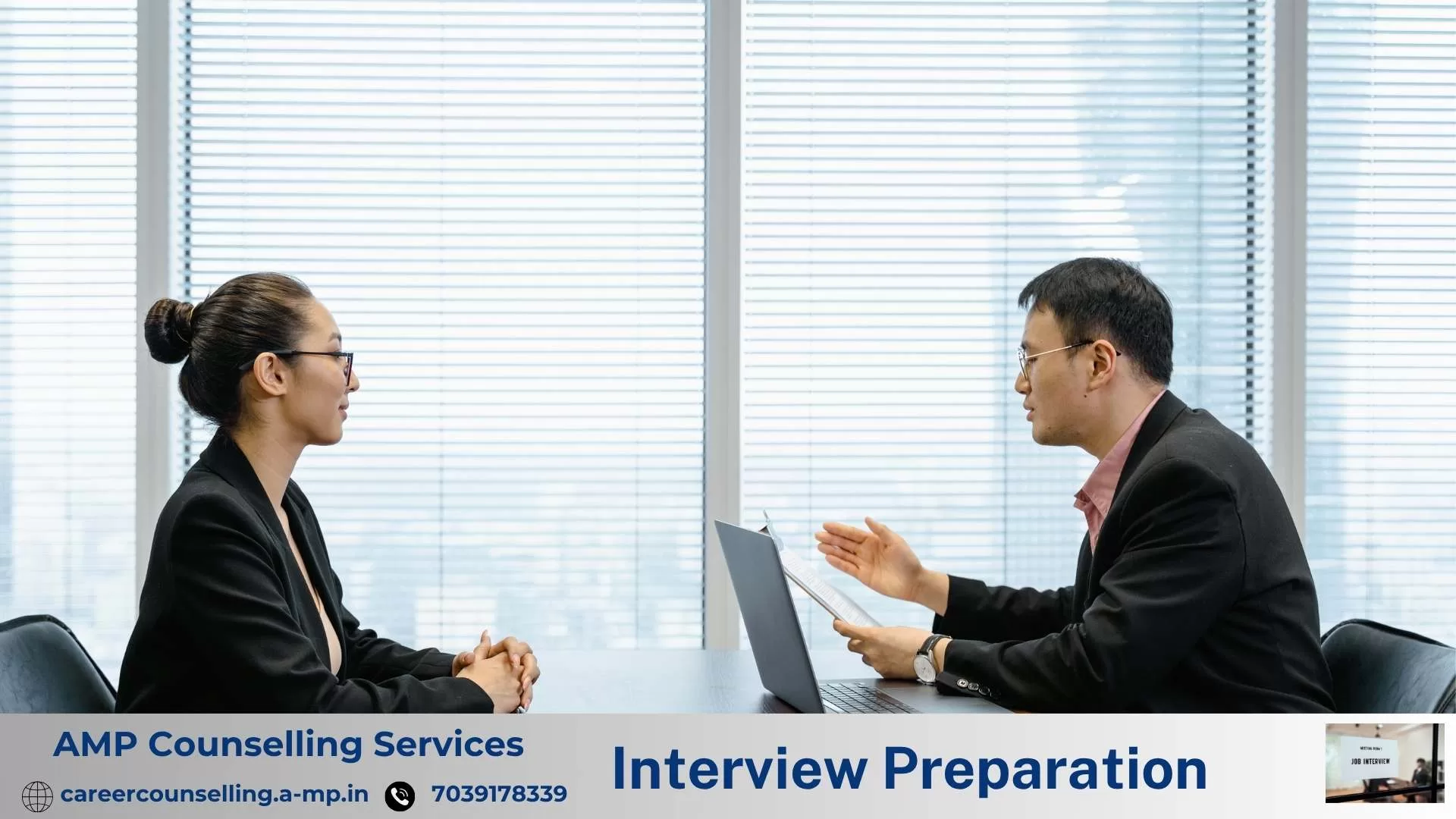
Why Interview Preparation Matters
You wouldn’t take a test without studying—so why walk into an interview unprepared? Interview preparation helps you: Understand what the company is looking for Practice articulating your skills clearly Reduce nervousness and feel more confident Show that you’re serious and professional Hiring managers can tell when someone has put in the effort—and that effort can make you stand out from the crowd.Step 1: Understand the Role and the Company
Before you even start practicing answers, spend time learning about the job and the organization. Go beyond the job description: Visit the company’s website and read their mission and values Check out recent news or updates on LinkedIn Learn about their products, services, or customers Interview Preparation Tip: Use this knowledge to tailor your answers. For example, if the company values innovation, highlight times when you brought fresh ideas to your previous job.Step 2.Interview Preparation: Review Common Interview Questions
There are certain questions that show up in nearly every interview. Here are a few examples: Tell me about yourself. What are your strengths and weaknesses? Why do you want to work here? Describe a time you faced a challenge at work. Interview Preparation Tip: Use the STAR method (Situation, Task, Action, Result) to organize your responses. This keeps your answers structured and impactful.Step 3.Interview Preparation: Match Your Skills to the Job
Go through the job listing and match your skills and experiences to each requirement. Think about examples that demonstrate your value. Prepare talking points for: Your relevant experience Achievements you’re proud of How you’ve solved problems in past roles What makes you a good fit for this position Interview Preparation Tip: Practice saying these out loud. The more familiar you are with your answers, the more natural and confident you'll sound.Step 4.Interview Preparation: Prepare Questions to Ask
At the end of most interviews, you’ll be asked if you have any questions. Saying “no” can make you seem disinterested. Prepare 2–3 thoughtful questions, like: What does success look like in this role? How would you describe the company culture? What are the next steps in the hiring process? Interview Preparation Tip: Asking good questions shows that you’ve done your homework and are genuinely interested in the job.Step 5.Interview Preparation: Choose the Right Outfit
Dress professionally, even if the interview is virtual. If you're unsure of the company’s dress code, it's safer to be slightly overdressed than too casual. Make sure your outfit is clean, fits well, and helps you feel confident.Step 6.Interview Preparation: Practice Your Interview
If possible, do a mock interview with a friend, mentor, or career coach. Practicing out loud helps reduce nervousness and gives you a chance to refine your answers. At AMP Counselling Center, we offer one-on-one interview preparation coaching to help you get comfortable and confident before the big day. 📞 Call 703-917-8339 to schedule a session.Step 7.Interview Preparation: Prepare Logistical Details
Know the interview time, location, and who you’re meeting If it’s a virtual interview, test your technology in advance Print extra copies of your resume Pack your bag the night before with essentials Being prepared helps reduce last-minute stress.Step 8.Interview Preparation: Follow Up After the Interview
Always send a thank-you email within 24 hours. Mention something specific you enjoyed during the conversation and express your continued interest. This small gesture can leave a lasting impression. Final Thoughts on Interview Preparation The more you prepare, the more natural and relaxed you’ll feel. Good interview preparation helps you present the best version of yourself and improves your chances of landing the job.1. How far in advance should I start interview preparation?
Ideally, start preparing as soon as you schedule the interview. Giving yourself a few days (or even a week) allows you to research, practice, and feel confident.
2. What if I don’t know how to answer a question during the interview?
That’s okay! You can ask for a moment to think or clarify the question. It’s better to take a pause than to give a rushed or unclear answer.
3. How can I calm my nerves before an interview?
Preparation helps a lot. Also, take a few deep breaths, visualize a positive outcome, and remind yourself that the interview is a two-way conversation.
4. Is it okay to bring notes to an interview?
Yes, especially for virtual interviews. You can bring a few bullet points to jog your memory. Just avoid reading directly from them.
5. What should I include in my thank-you email?
Keep it short and sincere. Thank them for their time, mention something specific from the conversation, and express your enthusiasm for the role.