
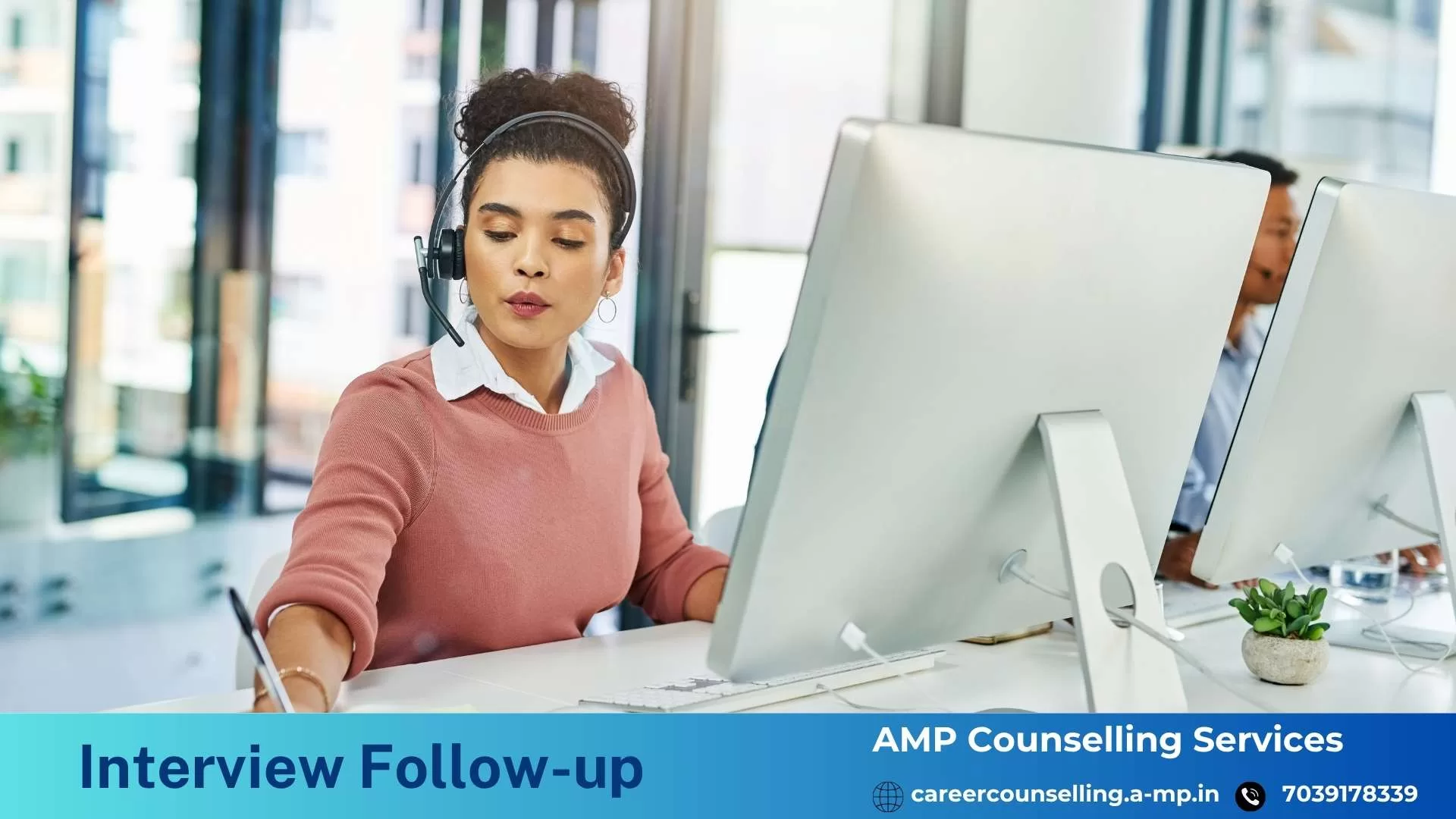
So, you’ve just walked out of a job interview (or clicked “Leave Meeting” on Zoom). Maybe it went great, maybe you stumbled a bit, but one thing is for sure—you’re wondering what to do next. Here’s the good news: interview follow-up is your chance to make a final impression and stay fresh in the interviewer’s mind. Many people overlook this step, but it can really set you apart from the competition. Let’s walk through what interview follow-up is, why it’s so important, and how you can do it the right way—without sounding too eager or awkward.
Final Thoughts: Interview Follow-Up Is Part of the Process
When you think of job interviews, don’t stop at the handshake (or Zoom sign-off). A thoughtful interview follow-up could be the key to landing your next role.
At AMP Counselling Center, we help job seekers prepare not just for interviews but for what comes after too. Whether you need help writing thank-you emails, managing anxiety while you wait, or planning your next steps, we’re here to support you.
📞 Call us at 703-917-8339 for personalized coaching on your job search journey.
Why Does Interview Follow-Up Matter?
Picture this: the hiring team has just finished interviewing a handful of candidates. Some were great, some not-so-great, and now they’re comparing notes. You might’ve made a strong impression, but will they remember you a few days later? That’s where interview follow-up comes in. When you follow up properly after an interview, you: Show that you’re truly interested in the job Remind them of your strengths and personality Demonstrate professionalism and good manners Keep the conversation going after the formal meeting ends In short, it shows you care—and that can be the tie-breaker between two equally qualified candidates. Step 1: Send a Thank-You Email Within 24 Hours The most important part of interview follow-up is sending a thank-you email. It’s simple, it’s fast, and it makes a big difference.What should you say?
Keep it short and sincere: Start with a warm thank you Mention something specific from the interview Express your excitement about the role Offer to answer any follow-up questions Here’s a quick example: Subject: Thank You for the Interview Hi [Interviewer's Name], Thank you so much for taking the time to meet with me today about the [Job Title] position. I enjoyed our conversation, especially learning more about your team's upcoming projects. I’m really excited about the opportunity to bring my [mention a skill or experience] to [Company Name]. Please feel free to reach out if you need anything else from me. Best regards, [Your Name] Step 2: Make It Personal Avoid sending the same message to every interviewer or using a generic template. Reference something that came up during the conversation—maybe a shared interest, a challenge they mentioned, or a specific goal they’re working on. Why personalization matters: It shows that you were fully present during the interview and helps build a genuine connection. For example: “I really enjoyed discussing your team’s approach to creative brainstorming—it reminded me of a strategy I used in my last role that worked really well.” That extra bit of personalization makes your interview follow-up feel authentic instead of routine. Step 3: Follow Up Again—But Politely If you haven’t heard anything after about a week, it’s okay to send a polite follow-up email asking for an update. What to include: A reminder of your interview A note that you’re still interested in the role An invitation to contact you for any further information Example: Hi [Interviewer's Name], I hope you're doing well. I wanted to check in regarding the [Job Title] role we discussed last week. I'm still very excited about the opportunity and just wanted to see if there were any updates. Thanks again for your time! Best, [Your Name] This shows your interest without being pushy. Step 4: Don’t Panic If There’s No Immediate Response Hiring processes often take time. Even if you don’t hear back right away, it doesn’t necessarily mean bad news. Sometimes, companies are waiting on approvals, finalizing decisions, or dealing with internal changes. In the meantime: Keep applying to other roles Continue practicing your interview skills Stay positive and open to opportunities Your interview follow-up shows initiative, and even if you don’t get the job, it may lead to future opportunities or helpful connections. Step 5: Stay Professional No Matter the Outcome If you don’t get the job, it’s okay to feel disappointed—but don’t let that stop you from being courteous. A kind message can leave a lasting impression and might keep the door open for future roles. You can say something like: “Thank you again for the opportunity. While I’m disappointed to hear I wasn’t selected, I really enjoyed learning about your team and would love to be considered for future openings.” This shows emotional intelligence—a quality employers value highly.1. When should I follow up after a job interview?
You should send a thank-you email within 24 hours. If you haven’t heard anything after 5–7 business days, it’s okay to send a gentle check-in.
2. What if I forgot to send a thank-you email—did I ruin my chances?
Not necessarily! It’s always better to send it late than never. Apologize for the delay and express your continued interest. Most employers understand.
3. Can I follow up more than once?
Yes, but don’t overdo it. One thank-you message and one follow-up a week later is usually enough. After that, give them space unless they invite more contact.
4. Should I follow up if they said they’d call me but didn’t?
Yes, it’s okay to politely ask for an update. You can say something like: “I wanted to touch base as I haven’t heard back about next steps. I remain very interested in the opportunity.”