
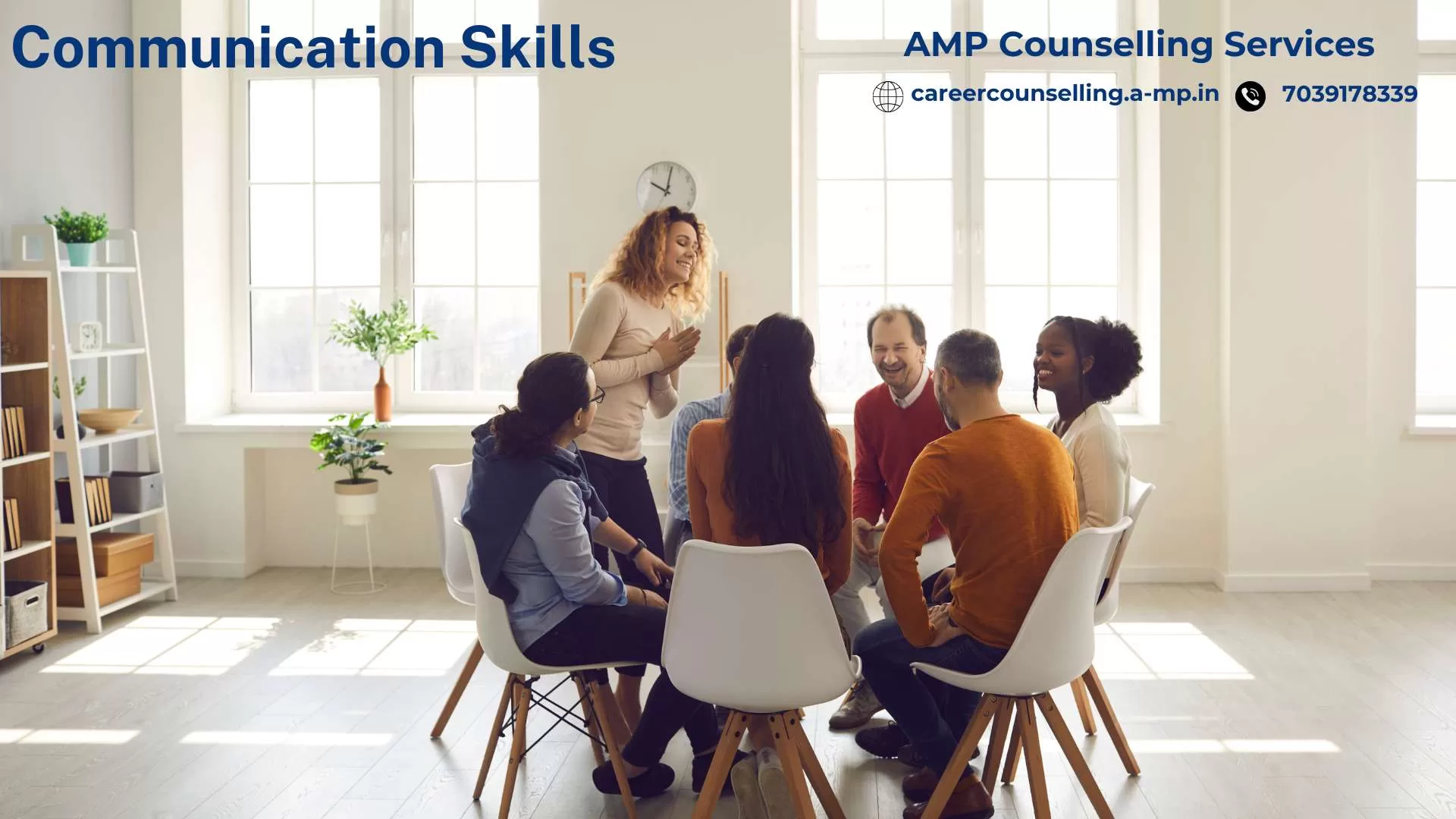
What Are Communication Skills?
Communication skills refer to your ability to clearly give and receive information with others. It’s not just about speaking well; it’s about listening, understanding, and responding effectively. Strong communication skills include: Speaking clearly and confidently Listening actively and patiently Understanding non-verbal cues (body language, tone, facial expressions) Writing effectively (emails, reports, messages) Controlling emotions during conversations Adapting your message for different audiences When you have strong communication skills, you build better relationships, reduce misunderstandings, and handle difficult situations with ease. Why Are Communication Skills So Important? You may have excellent technical skills or deep knowledge in your field, but if you can’t communicate that effectively, others may not recognize your true potential. That’s where communication skills make all the difference.Here’s why communication skills are so valuable:
1. Build Strong Relationships Good communication helps you connect with people. Whether at work, home, or social settings, strong communication creates trust, mutual respect, and stronger bonds. 2. Advance in Your Career Employers value communication skills as highly as technical skills. Being able to present ideas, collaborate with others, and resolve conflicts will help you climb the career ladder faster. 3. Avoid Misunderstandings Clear communication prevents confusion and reduces the chances of misinterpretation. This saves time, energy, and potential conflict. 4. Improve Confidence The better you communicate, the more confident you feel in expressing your thoughts and standing your ground.Types of Communication Skills You Need
Verbal Communication This is how you express your thoughts through words. It includes speaking clearly, choosing the right words, and controlling your tone and pace. Non-Verbal Communication Your body language, facial expressions, and gestures all play a big role in how your message is received. Written Communication Effective writing is crucial for emails, reports, social media posts, and even text messages. Clear, concise writing leaves no room for confusion. Listening Skills Good communicators are also excellent listeners. Active listening shows respect and helps you understand others better. Emotional Intelligence Understanding both your own emotions and those of others allows you to handle conversations with empathy and professionalism. How to Improve Your Communication Skills If you feel your communication skills need work, don’t worry—it’s something you can improve with practice. Here are some proven ways to get better: 1. Practice Active Listening Give your full attention to the speaker. Avoid interrupting. Nod or give small verbal cues to show you’re engaged. Summarize what you heard to ensure understanding. 2. Think Before You Speak Take a moment to organize your thoughts. Clear thinking leads to clear speaking. 3. Work on Your Body Language Maintain eye contact. Smile when appropriate. Avoid closed-off postures like crossed arms. 4. Expand Your Vocabulary A richer vocabulary helps you express your ideas more precisely and professionally. 5. Manage Your Emotions Stay calm during disagreements or tough conversations. Respond thoughtfully instead of reacting emotionally. 6. Seek Feedback Ask colleagues, mentors, or a professional coach at AMP Career Counselling for honest feedback on your communication skills. 7. Practice Public Speaking Join speaking clubs, take courses, or practice giving presentations to boost your confidence.How Communication Skills Help Your Career
Whether you're just starting out or aiming for a leadership role, communication skills are crucial at every stage of your career. With strong communication skills, you can: Deliver impressive presentations Ace job interviews Resolve workplace conflicts smoothly Build stronger relationships with your team Earn the trust and respect of your supervisors Network effectively and grow your professional circle Employers notice candidates who can confidently express ideas and collaborate with others. In many cases, strong communication skills are the deciding factor in hiring or promoting someone.Communication Skills in Everyday Life
While communication skills are often discussed in a professional context, they’re just as important in personal relationships. Good communication helps you: Express your feelings and needs openly Listen and empathize with others Resolve conflicts peacefully Build deeper connections with friends and family When you communicate well, you create stronger, healthier relationships in every part of your life.Common Communication Mistakes to Avoid
Even those who communicate well can fall into these traps: Talking too much without listening Using complicated language that confuses others Interrupting while someone else is speaking Avoiding eye contact or showing closed body language Becoming defensive instead of calmly addressing issues By being aware of these habits, you can continually improve your communication skills.1. Can anyone improve their communication skills?
Absolutely! Communication is a skill like any other. With practice, coaching, and consistent effort, anyone can develop stronger communication skills.
2. Why do employers value communication skills so much?
Because no job is done in isolation. Good communication skills help employees work well in teams, avoid misunderstandings, and represent the company professionally to clients and partners.
3. What is the most important part of communication?
3. What is the most important part of communication?
4. How can I practice my communication skills daily?
You can practice by engaging in conversations, joining public speaking clubs, seeking feedback, reading books on communication, and role-playing different scenarios.
5. How can AMP Career Counselling help me with my communication skills?
We provide one-on-one coaching, practical exercises, and personalized feedback to help you overcome challenges, build confidence, and master effective communication for every situation. Contact us at 703-917-8339.