
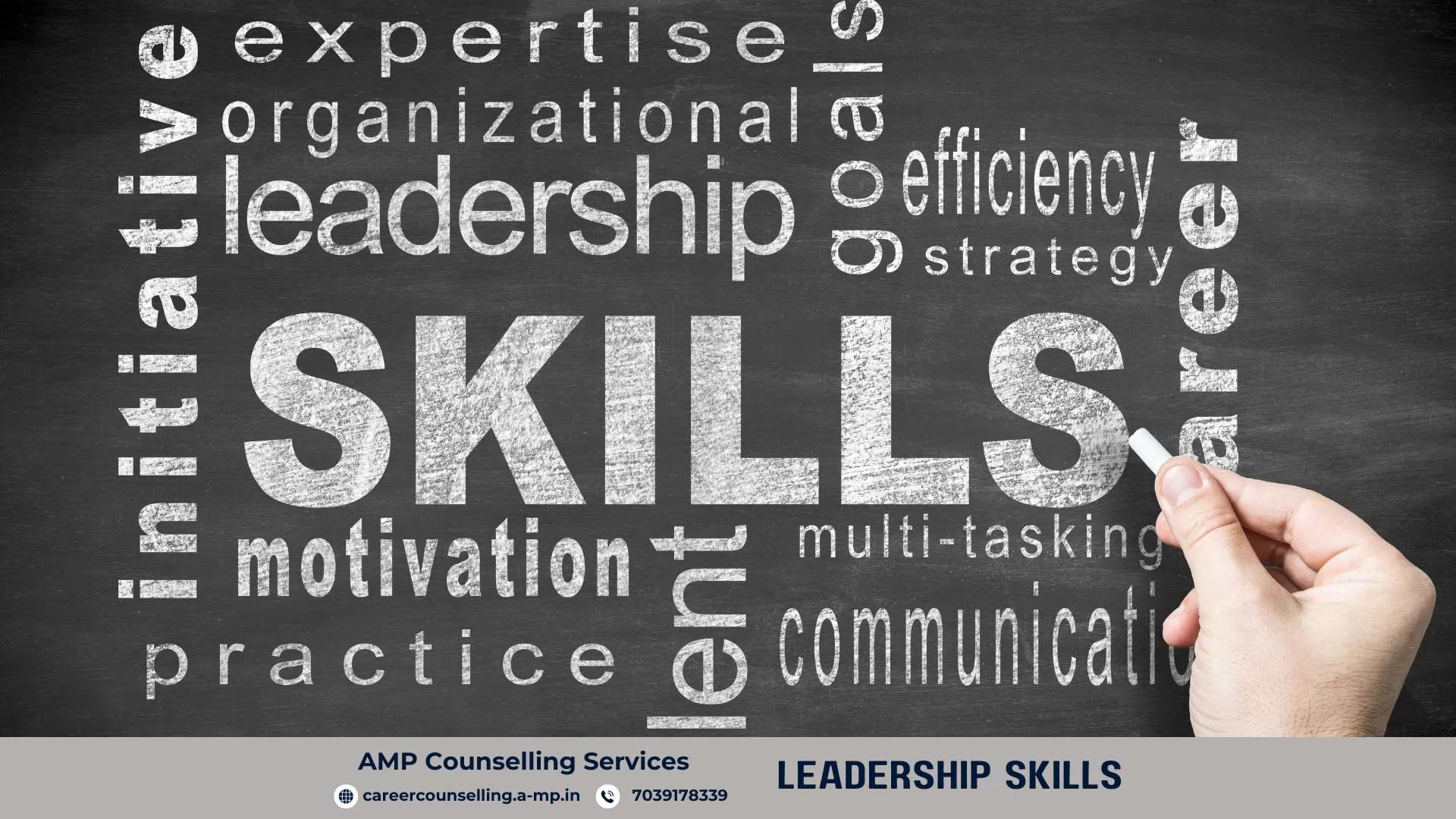
Leadership is more than just giving instructions—it’s about inspiring, guiding, and supporting others to bring out their best. At AMP Counselling Center, we believe that whether you are a student, professional, or entrepreneur, strong leadership skills can make a huge difference in how you grow personally and professionally. Let’s explore what leadership truly means and how you can develop it in simple, practical ways.
At AMP Counselling Center, we help individuals develop strong leadership skills that prepare them for success in career and life. 🌟
Read More About :Vatayanasana (Horse Face Pose) Steps and Benefits
🔑 What Are Leadership Skills?
Leadership skills are qualities that help you guide, influence, and motivate others while achieving goals effectively. They include communication, decision-making, empathy, problem-solving, and the ability to inspire people. True leadership isn’t about showing power—it’s about taking responsibility and serving others. A good leader helps the team shine, not just themselves.🌿 Why Leadership Skills Matter in Everyday Life
Career Growth – Employers don’t just hire people who can work; they look for individuals who can lead projects, manage teams, and deliver results. Strong leadership makes you stand out. Confidence Building – Leadership teaches you to believe in your decisions. Even when mistakes happen, you learn to take responsibility and grow. Better Relationships – Leaders know how to listen, understand, and empathize with others. This makes personal and professional relationships smoother. Problem Solving – Challenges are part of life. Leaders don’t panic; they stay calm, think logically, and find solutions.💬 Key Leadership Skills to Develop
Effective Communication Good leaders speak clearly and listen deeply. Communication is not just about talking—it’s about making sure the other person feels understood. This builds trust and avoids confusion. Decision-Making Ability Leadership often means making tough choices. Strong leaders don’t delay decisions; they evaluate the situation, consider options, and take action—even under pressure. Emotional Intelligence Great leaders are aware of their emotions and understand the emotions of others. This helps them manage conflicts, motivate their team, and create a positive environment. Delegation Leaders know they can’t do everything themselves. They assign tasks to people who are best suited for them. Delegation improves efficiency and shows trust in the team. Adaptability Life is unpredictable, and so is work. Leaders who can quickly adapt to change inspire confidence. Flexibility helps the team stay strong during challenges. Motivation and Inspiration True leaders lift people up. They make others believe in themselves and encourage them to reach their highest potential.🌟 How to Improve Your Leadership Skills
Practice Active Listening – Pay attention to what others say before responding. This shows respect and builds stronger bonds. Seek Feedback – Don’t be afraid of constructive criticism. Learning from feedback helps you grow faster. Take Initiative – Step forward when leadership is needed. Taking action shows responsibility and courage. Learn Continuously – Read books, attend workshops, and follow mentors. Leadership is a lifelong journey. Stay Calm Under Pressure – When things go wrong, keep your composure. This earns trust and shows your strength as a leader.✨ Additional Leadership Qualities to Focus On
Vision and Goal-Setting A great leader doesn’t just work on today’s tasks—they create a vision for the future. Setting clear goals gives the team direction and purpose. Conflict Resolution Disagreements are natural in any group. A strong leader knows how to handle conflicts fairly, keeping peace and ensuring teamwork isn’t disrupted. Accountability Leaders lead by example. Taking responsibility for both successes and failures shows integrity and earns respect from others.🌍 Build Teamwork and Collaboration
A true leader knows that success is never a solo journey. Teamwork helps people bring their unique strengths together for a common goal. As a leader, you should: Encourage open communication so everyone feels heard. Appreciate each person’s effort, no matter how small. Create a supportive environment where collaboration feels natural. When people feel valued, they are motivated to work harder and better as a team.🕰️ Time Management and Organization
Leadership also means managing time effectively—not only your own but also your team’s. A disorganized leader creates confusion, but a well-organized one builds trust. To do this: Prioritize tasks based on importance and deadlines. Delegate wisely so no one feels overworked. Plan ahead instead of rushing last minute. When you respect time, people respect your leadership.🌱 Lead by Example
One of the most powerful ways to lead is by showing, not just telling. People watch what leaders do more than what they say. For example: If you want your team to be punctual, you should be on time. If you expect honesty, always be transparent in your actions. If you want commitment, show dedication yourself. Leading by example earns respect and inspires others to give their best.1. What are the most important leadership skills?
The most important include communication, emotional intelligence, decision-making, and adaptability.
2. Can leadership skills be learned?
Yes, leadership is not only inborn—it can be developed through practice, experience, and self-awareness.
3. Why are leadership skills important in the workplace?
They help in managing teams, increasing productivity, and creating a positive work environment.
4. How can students develop leadership skills?
Students can join clubs, take responsibilities, practice public speaking, and volunteer for projects.